What pet tides analysis actually means
Pet tides analysis is the practice of tracking shifts in pet health trends, supplement usage, and infrastructure demands to inform market strategy. It moves beyond simple sales data to examine the underlying currents driving consumer behavior, such as the rise of peptide-based therapies or the growing demand for specialized veterinary infrastructure.
This approach helps stakeholders distinguish between fleeting fads and sustainable market movements. For instance, while the pet supplement sector has seen robust annual growth, understanding the specific drivers—like the clinical interest in BPC 157 for dogs—allows for more precise inventory and R&D decisions.
Effective analysis relies on concrete data points rather than broad industry narratives. By focusing on primary sources and official veterinary reports, researchers can identify actionable insights that support long-term strategic planning in a rapidly evolving market.
Pet tides analysis choices that change the plan
Evaluating pet supplement infrastructure requires balancing three competing priorities: analytical depth, regulatory compliance, and operational cost. The market for pet supplements has grown significantly, reaching approximately $580 million with an 11% annual growth rate between 2017 and 2022, driven largely by consumer demand for specialized health solutions like BPC 157 for musculoskeletal and gastrointestinal support in dogs [src-serp-1]. However, this growth has outpaced standardized testing frameworks, forcing veterinarians and manufacturers to choose between comprehensive profiling and targeted screening.
The core tradeoff lies in the scope of analysis. Broad nutritional panels assess macronutrients and general safety, which is sufficient for basic quality control but misses the nuanced identity of active peptides. Advanced peptide analysis confirms structure, purity, and sequence, which is essential for regulatory submissions and batch comparability but requires expensive mass spectrometry equipment and specialized expertise [src-serp-2]. For most mid-tier operations, the cost of full structural characterization often outweighs the immediate benefit, leading to a hybrid approach where targeted potency testing is paired with routine safety screening.
Regulatory pressure is the third variable. While the FDA does not currently approve pet supplements as drugs, claims of therapeutic efficacy—such as treating specific conditions—trigger stricter scrutiny. Products making these claims must provide robust data to avoid enforcement actions. This creates a compliance trap: insufficient analysis leaves a brand vulnerable to legal risk, while excessive analysis can inflate costs to unsustainable levels. The goal is to identify the minimum viable data set that satisfies both market expectations and regulatory boundaries.
To navigate these tradeoffs, compare the following operational models:
| Factor | Broad Nutritional Panel | Targeted Potency | Full Structural ID |
|---|---|---|---|
| Cost | Low | Medium | High |
| Regulatory Safety | Moderate | High | Maximum |
| Detects Adulterants | Low | Medium | High |
| Turnaround Time | 1-2 weeks | 3-5 days | 2-4 weeks |
| Best For | Basic QC | Therapeutic Claims | R&D/Compliance |
For real-time market context on the asset classes involved in this sector, track relevant performance indicators:
When evaluating specific infrastructure tools or service providers, consider how their data granularity aligns with your risk profile. A technical view of the broader market can help time investments in lab equipment or third-party testing contracts.
Choose the next step
Pet Tides Analysis works best as a clear sequence: define the constraint, compare the realistic options, test the tradeoff, and choose the path with the fewest hidden costs. That order keeps the advice usable instead of decorative. After each step, pause long enough to check whether the recommendation still fits the reader's actual situation. If it depends on perfect timing, unusual access, or a best-case budget, include a simpler fallback.

Avoid the weak options
Use this section to make the Pet Tides Analysis decision easier to compare in real life, not just on paper. Start with the reader's actual constraint, then separate must-have requirements from details that are merely nice to have. A practical choice should survive normal use, maintenance, timing, and budget. If a recommendation only works in an ideal situation, call that out plainly and give the reader a fallback path.
The simplest way to use this section is to write down the must-have criteria first, then compare each option against those criteria before weighing nice-to-have features.
Pet tides analysis: what to check next
Helpful gear
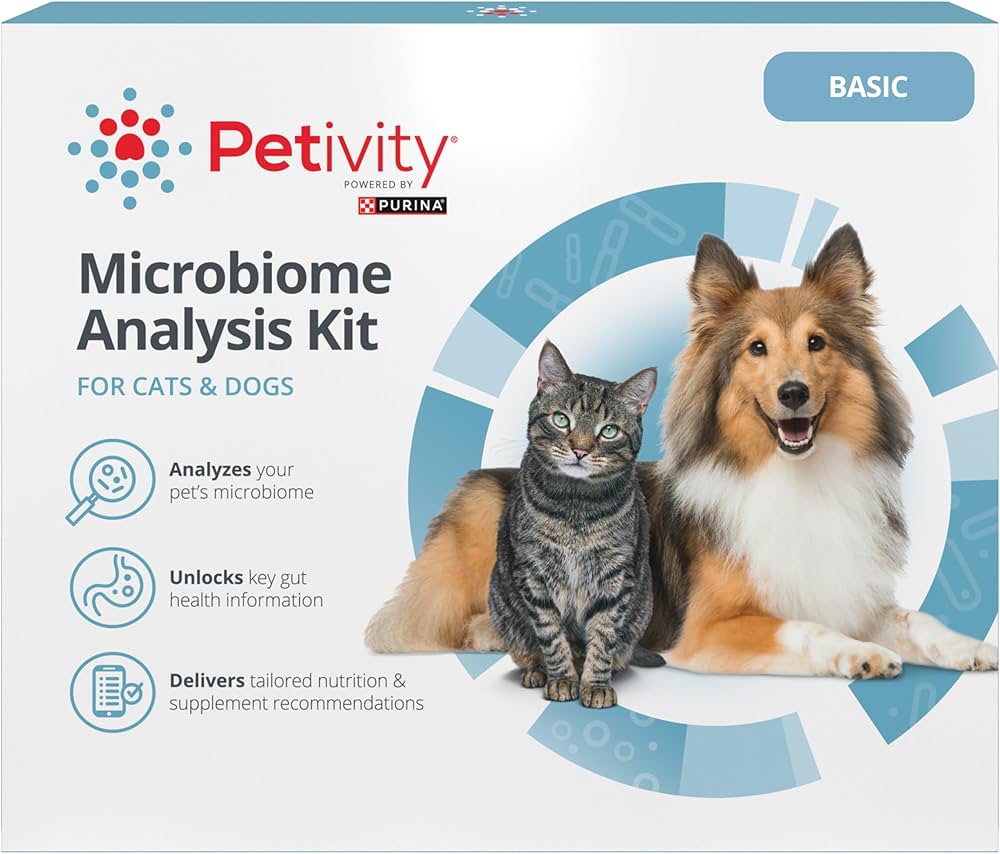
Use these product recommendations as a starting point, then choose the size, material, and price point that fit how you actually use the gear.


As an Amazon Associate, we may earn from qualifying purchases.
No comments yet. Be the first to share your thoughts!