Defining the pet tides market
The term "Pet Tides" describes a specific convergence of biological data, real-world assets (RWA), and financial infrastructure. It moves beyond the traditional pet supplement industry to focus on the underlying systems that track, verify, and value pet wellness data. While the broader pet supplement sector was valued at approximately $580 million with an 11% annual growth rate between 2017 and 2022, the Pet Tides market is defined by its infrastructure layer rather than just consumer products.
At its core, this market treats verified health data from pets as a tangible asset. Just as Prairie Tide Analytics assesses the nutritional content and safety of pet food ingredients, Pet Tides applies similar rigorous verification to individual animal health metrics. This data can then be tokenized or used as collateral in financial instruments, creating a new class of real-world assets backed by the biological reality of companion animals.
This shift requires a robust data infrastructure. It is not enough to sell a supplement; the market demands proof of efficacy through continuous monitoring and verification. This creates a feedback loop where financial incentives align with actual pet health outcomes, transforming wellness from a discretionary expense into a trackable, investable asset class.
The infrastructure behind pet wellness
The "Pet Tides" concept isn't just a branding exercise; it represents a shift toward measurable, data-driven pet wellness. For investors and strategic partners, the real value lies in the underlying infrastructure that validates these products. This includes rigorous testing protocols, advanced imaging technologies, and transparent supply chain logistics. Without this backbone, pet wellness remains a subjective category. With it, the sector becomes a tangible asset class backed by verifiable health outcomes.
Testing and quality assurance
Reliable data starts at the source. Independent labs like Prairie Tide Analytics now offer comprehensive pet food analysis programs that assess nutritional content, safety, and quality. These tests provide the raw data needed to validate product claims, turning vague marketing into concrete metrics. For the investor, this means reduced risk and a clearer path to ROI based on actual product performance rather than brand hype.
Advanced imaging and diagnostics
The frontier of pet wellness is increasingly visual. Recent developments in peptide-based PET imaging are allowing researchers to track biological processes in real-time. Studies published in journals like MDPI and PMC highlight how radiolabeled peptides can provide head-to-head comparisons of diagnostic efficacy. This level of precision transforms pet health from reactive treatment to proactive management, creating a new layer of data that supports higher-value services and products.
Supply chain transparency
Data infrastructure also extends to the materials used in pet products. As seen in reports from Tide Earth, analyzing the life cycle of materials—such as ocean-sourced alternatives to virgin plastic—provides a clear environmental footprint. This transparency is crucial for the modern consumer and a key metric for ESG-focused investors. It ensures that the "wellness" label extends beyond the animal's health to include environmental sustainability.

Market trajectory
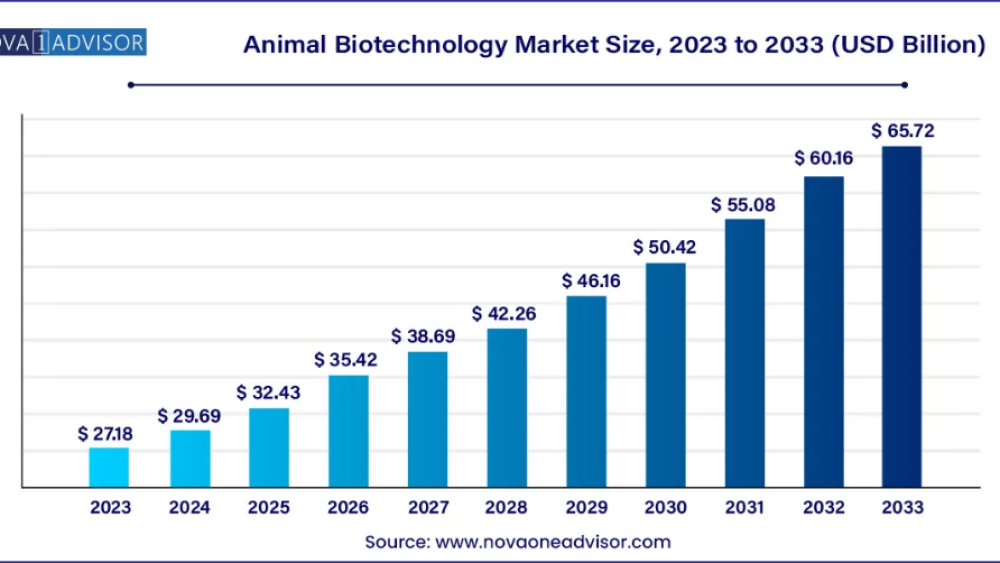
The convergence of these infrastructural elements is driving market growth. As data becomes more accessible and standardized, the pet wellness sector is attracting serious capital. The following chart illustrates the broader market trends in this space, reflecting the increasing integration of technology and health data.
Comparing infrastructure models
Choosing the right infrastructure for pet wellness requires looking past consumer packaging to the underlying mechanics of data and delivery. The market is splitting into two distinct paths: traditional supplement manufacturing and advanced peptide imaging infrastructure. Understanding this divide is essential for investors assessing scalability and regulatory risk.
Traditional pet supplement infrastructure relies on established supply chains for bulk ingredients like glucosamine and chondroitin. This model is capital-efficient and familiar to retailers, but it lacks the granular data required for personalized medicine. The value proposition is volume-based, with margins squeezed by commodity pricing and generic competition.
In contrast, data-driven peptide imaging infrastructure treats wellness as a diagnostic-first service. By leveraging emerging research on peptides for joint health and recovery, this model integrates biological data with targeted interventions. It shifts the business from selling products to managing outcomes, creating higher switching costs and recurring revenue potential.
The following comparison highlights the structural differences between these two approaches.
| Feature | Traditional Supplements | Peptide Imaging Infrastructure |
|---|---|---|
| Primary Value | Volume sales of generic ingredients | Personalized outcome management |
| Data Integration | Minimal; mostly post-purchase surveys | High; real-time biological monitoring |
| Regulatory Path | Established GRAS status; low barrier | Evolving; requires rigorous clinical validation |
| Scalability | High; easy to manufacture and distribute | Moderate; limited by diagnostic capacity |
| Margin Profile | Low; commodity-driven pricing | High; premium for specialized service |
Strategic growth opportunities in 2026
The pet wellness market is shifting from a consumer goods play to an infrastructure play. As the sector matures, the real value lies in the data layers that support it. In 2026, strategic growth hinges on leveraging these underlying systems rather than chasing fleeting product trends.
The supplement sector, valued at approximately $580 million with an 11% annual growth rate between 2017 and 2022, is maturing. This growth is no longer just about selling more pills; it is about proving their efficacy through rigorous data. Investors and operators who focus on the infrastructure of trust—testing, verification, and standardized metrics—will capture the most durable value.
Step 1: Secure proprietary data assets
Data quality is the new moat. Companies that control high-fidelity, longitudinal health data from pets gain a competitive advantage in product development and veterinary partnerships. This data allows for precise formulation and targeted marketing, reducing customer acquisition costs. Without proprietary data, you are just another retailer competing on price.
Step 2: Integrate real-world evidence
Real-world evidence (RWE) is becoming the standard for validating pet health claims. Just as pharmaceuticals require clinical trials, high-end pet wellness products need post-market data to prove their impact. Integrating RWE into your business model signals to veterinarians and insurers that your products are reliable, opening doors to professional distribution channels.
Step 3: Build regulatory-ready infrastructure
Regulatory scrutiny is increasing globally. Building infrastructure that anticipates compliance—such as automated testing logs and supply chain transparency—reduces risk. This is not just about avoiding fines; it is about building a brand that can operate across different jurisdictions without friction. Early compliance is a strategic asset, not a cost center.
Step 4: Partner with verification labs
Third-party verification is essential for credibility. Partnering with established testing labs, like those offering pet food analysis programs, provides an objective stamp of quality. This partnership allows you to market your products with confidence, knowing that your claims are backed by independent scientific analysis.
Step 5: Monitor market signals
The market is dynamic. Use technical charts and price widgets to monitor key indices and competitor movements. This data helps you adjust your strategy in real-time, ensuring you are not caught off guard by shifts in consumer sentiment or supply chain disruptions.
Step 6: Execute with precision
Finally, execution matters. Ensure your operations are lean and your data flows are seamless. A well-structured infrastructure allows you to scale quickly and efficiently, turning strategic opportunities into tangible growth.
Data quality is the new moat. Companies that control high-fidelity, longitudinal health data from pets gain a competitive advantage in product development and veterinary partnerships. This data allows for precise formulation and targeted marketing, reducing customer acquisition costs. Without proprietary data, you are just another retailer competing on price.

Real-world evidence (RWE) is becoming the standard for validating pet health claims. Just as pharmaceuticals require clinical trials, high-end pet wellness products need post-market data to prove their impact. Integrating RWE into your business model signals to veterinarians and insurers that your products are reliable, opening doors to professional distribution channels.

Regulatory scrutiny is increasing globally. Building infrastructure that anticipates compliance—such as automated testing logs and supply chain transparency—reduces risk. This is not just about avoiding fines; it is about building a brand that can operate across different jurisdictions without friction. Early compliance is a strategic asset, not a cost center.
Third-party verification is essential for credibility. Partnering with established testing labs, like those offering pet food analysis programs, provides an objective stamp of quality. This partnership allows you to market your products with confidence, knowing that your claims are backed by independent scientific analysis.
The market is dynamic. Use technical charts and price widgets to monitor key indices and competitor movements. This data helps you adjust your strategy in real-time, ensuring you are not caught off guard by shifts in consumer sentiment or supply chain disruptions.
Finally, execution matters. Ensure your operations are lean and your data flows are seamless. A well-structured infrastructure allows you to scale quickly and efficiently, turning strategic opportunities into tangible growth.
Common questions on pet peptides
The conversation around pet peptides often gets tangled in human wellness trends and unverified online claims. It helps to separate the market hype from the actual infrastructure of veterinary science and product safety. Below are the most frequent questions we encounter, grounded in current research and regulatory realities.
No comments yet. Be the first to share your thoughts!