Start with a vet consultation
Before you analyze any peptide protocol, you need a licensed veterinarian. Peptides are biologically active compounds, not simple supplements. They interact with growth hormone receptors, insulin pathways, and immune responses in ways that can be dangerous if mismanaged. Skipping professional oversight is the single biggest risk factor in pet peptide therapy.
A veterinarian provides the necessary diagnosis and dosage plan. They determine if your pet’s condition—whether it’s chronic inflammation, joint degeneration, or metabolic issues—actually warrants peptide intervention. They also screen for contraindications, such as existing kidney disease or hormonal imbalances, that could turn a therapeutic dose into a toxic one.
The consultation should be thorough. Bring a complete list of your pet’s current medications and supplements. Some peptides interact with blood thinners, steroids, or thyroid medications. Your vet needs the full picture to calculate a safe starting dose and establish a monitoring schedule. This initial step protects your pet from adverse reactions and ensures that any subsequent analysis is based on accurate, professional medical judgment.
Verify the peptide source
Peptides are potent biological compounds, and their safety depends entirely on where they come from. A black-market source might look identical to a legitimate one, but the risks of contamination, mislabeling, or incorrect dosing are severe. You need to treat supplier verification like a background check for a high-stakes employee.
Do not rely on social media posts or influencer testimonials as proof of quality. Those channels are marketing tools, not quality control mechanisms. Instead, look for verifiable laboratory credentials and transparent supply chains. If a supplier cannot provide third-party testing data or clear manufacturing details, walk away.
Use the following steps to authenticate your supplier and ensure the product is from a reputable laboratory.
A reputable supplier acts as a partner in your pet’s health, not just a vendor. They provide documentation, answer questions, and stand behind their products. If you cannot verify these elements, the risk is not worth the potential reward. Always prioritize safety over convenience or price.
Calculate the correct dosage
Getting the dose right is the difference between therapeutic benefit and adverse reaction. Peptides are potent biological signaling molecules, not simple vitamins; a small deviation in weight-based calculation can drastically alter their effect on your pet’s physiology. You must treat this calculation as a precise medical protocol, not a guess.
Start by verifying your pet’s current weight. Use a calibrated scale and record the number in kilograms, as most veterinary peptide protocols are dosed in micrograms per kilogram (mcg/kg). If your pet’s weight has fluctuated recently, recalculate before every administration. Never rely on an estimated "average" weight for a breed.
Once you have the weight, apply the specific protocol prescribed for your pet’s condition. Research from veterinary specialists suggests that while some users report faster healing and reduced swelling with proper dosing, the therapeutic window is narrow. Stick strictly to the lower end of the recommended range when starting. This "start low, go slow" approach allows you to monitor your pet’s response without overwhelming their system.
Pre-administration checklist
Before drawing any solution, verify these four points to ensure safety:
-
Weight Verified: Current weight in kg is confirmed and recorded.
-
Dose Calculated: Microgram amount is double-checked against the vet’s protocol.
-
Equipment Sterilized: Syringes and needles are new and sterile.
-
Storage Checked: Peptides have been kept refrigerated and are not expired.
Monitor for adverse reactions
Peptide protocols can be effective, but they are not without risk. Your pet’s body may react in ways that are subtle at first, then escalate quickly if ignored. The goal is to catch these signals early, before they become serious health issues. Think of this monitoring phase as your safety net—it’s the most important part of the process after the injection itself.
Start by establishing a baseline. Before the first dose, note your pet’s normal energy levels, appetite, and stool consistency. This reference point makes it easier to spot deviations. After each administration, check for local reactions at the injection site, such as swelling, redness, or pain. These are common and often resolve on their own, but they signal that the tissue is reacting to the introduction.
Watch for systemic signs that suggest the peptide is affecting more than just the target area. Lethargy, vomiting, diarrhea, or sudden changes in behavior are red flags. According to veterinary guidance, if these symptoms persist for more than 24 hours or worsen, contact your veterinarian immediately. Do not wait to see if it passes.
Keep a simple log. A notebook or a basic app entry with the date, dose, and any observed side effects creates a clear picture over time. This data is invaluable for your vet when adjusting protocols. If you notice a pattern of mild reactions that don’t resolve, the dose may be too high for your pet’s current tolerance. Always prioritize safety over speed.
Compare supplement options
Peptide protocols often require complementary supplements to support absorption and stability. However, the market is flooded with products of varying purity. You need to distinguish between laboratory-grade compounds and over-the-counter wellness products that may lack transparency.
When evaluating options, focus on three critical metrics: third-party testing, source verification, and storage requirements. A product without a Certificate of Analysis (COA) is a gamble you shouldn't take with your pet's health. Official veterinary sources consistently emphasize that unverified supplements can introduce contaminants that negate any potential benefits.
Use the comparison below to quickly assess common supplement categories. This framework helps you identify gaps in quality before making a purchase.
| Category | Expected Purity | Required Verification | Safety Risk |
|---|---|---|---|
| Synthetic Peptides | >98% | COA required | High if unverified |
| Natural Boosters | Variable | Label check | Moderate |
| Storage Aids | N/A | Seal integrity | Low |
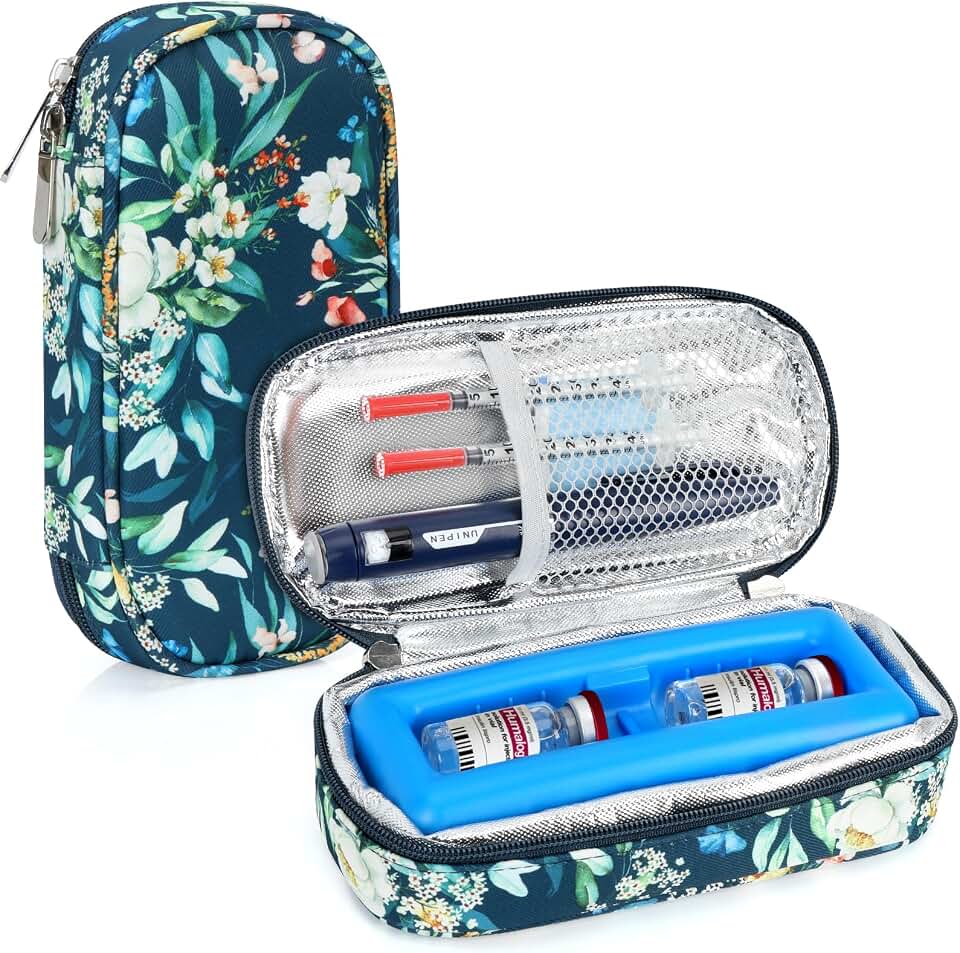
If you are sourcing testing kits or specific peptide-related supplies, ensure they meet veterinary standards. Below are vetted product categories that professionals often recommend for safe protocol management.

As an Amazon Associate, we may earn from qualifying purchases.
Always consult your veterinarian before introducing new supplements. They can help you interpret labels and ensure compatibility with your pet's specific health needs.
Common peptide mistakes to avoid
Peptides are fragile molecules. A single error in handling or storage can degrade the compound before it ever enters your pet’s system. Unlike standard medications, peptides require strict temperature control and sterile technique to maintain efficacy. The following errors are the most frequent causes of treatment failure or adverse reactions.
Reconstituting with the wrong solvent
Many owners attempt to reconstitute peptides using tap water or non-sterile saline. This introduces bacteria and contaminants directly into the injection site. Always use bacteriostatic water or sterile saline specifically approved for veterinary use. The solvent must be preservative-free if the peptide is used immediately, or contain benzyl alcohol if storing for later use, as directed by your veterinarian.
Improper storage and temperature control
Peptides are highly sensitive to heat and light. Storing reconstituted peptides at room temperature for extended periods accelerates degradation. Unreconstituted vials should remain frozen until use. Once mixed, most peptides are stable for only 28–30 days if kept refrigerated at 36–46°F (2–8°C). Never freeze a reconstituted solution, as ice crystals can denature the protein structure, rendering it ineffective.
Incorrect injection technique
Subcutaneous (subQ) injections are the standard route for most veterinary peptides. Common mistakes include injecting into muscle (intramuscular), which alters absorption rates, or using needles that are too long, causing pain and tissue damage. Use a 27–30 gauge needle, no longer than ½ inch. Pinch the skin gently to create a tent, insert the needle at a 45-degree angle, and inject slowly. This minimizes discomfort and ensures the peptide deposits in the subcutaneous tissue where it can be absorbed properly.
No comments yet. Be the first to share your thoughts!