
Market overview and growth drivers
Treat this step as a welfare screen for Pet Tides. Compare the source, the animal's visible condition, the seller's care knowledge, the paperwork, and the transport plan before you commit. A good purchase path should make the dragon's health easier to verify, not harder.
Pause before paying if any part of the chain is unclear. Confirm the exact animal, pickup or shipping timing, heat-pack plan when relevant, return policy, and the supplies you need at home for the first week.
Peptide innovation in pet health
Treat this step as a welfare screen for Pet Tides. Compare the source, the animal's visible condition, the seller's care knowledge, the paperwork, and the transport plan before you commit. A good purchase path should make the dragon's health easier to verify, not harder.
Pause before paying if any part of the chain is unclear. Confirm the exact animal, pickup or shipping timing, heat-pack plan when relevant, return policy, and the supplies you need at home for the first week.
Product landscape and key players
The market for canine and feline peptide supplements is shifting from experimental veterinary treatments to accessible consumer products. The Pet Tides guide highlights that while the science is still maturing, the commercial landscape is rapidly consolidating around a few primary mechanisms: tissue repair, metabolic support, and immune modulation. For owners managing chronic conditions in large breeds, the distinction between these product categories is not just semantic; it determines efficacy and cost.
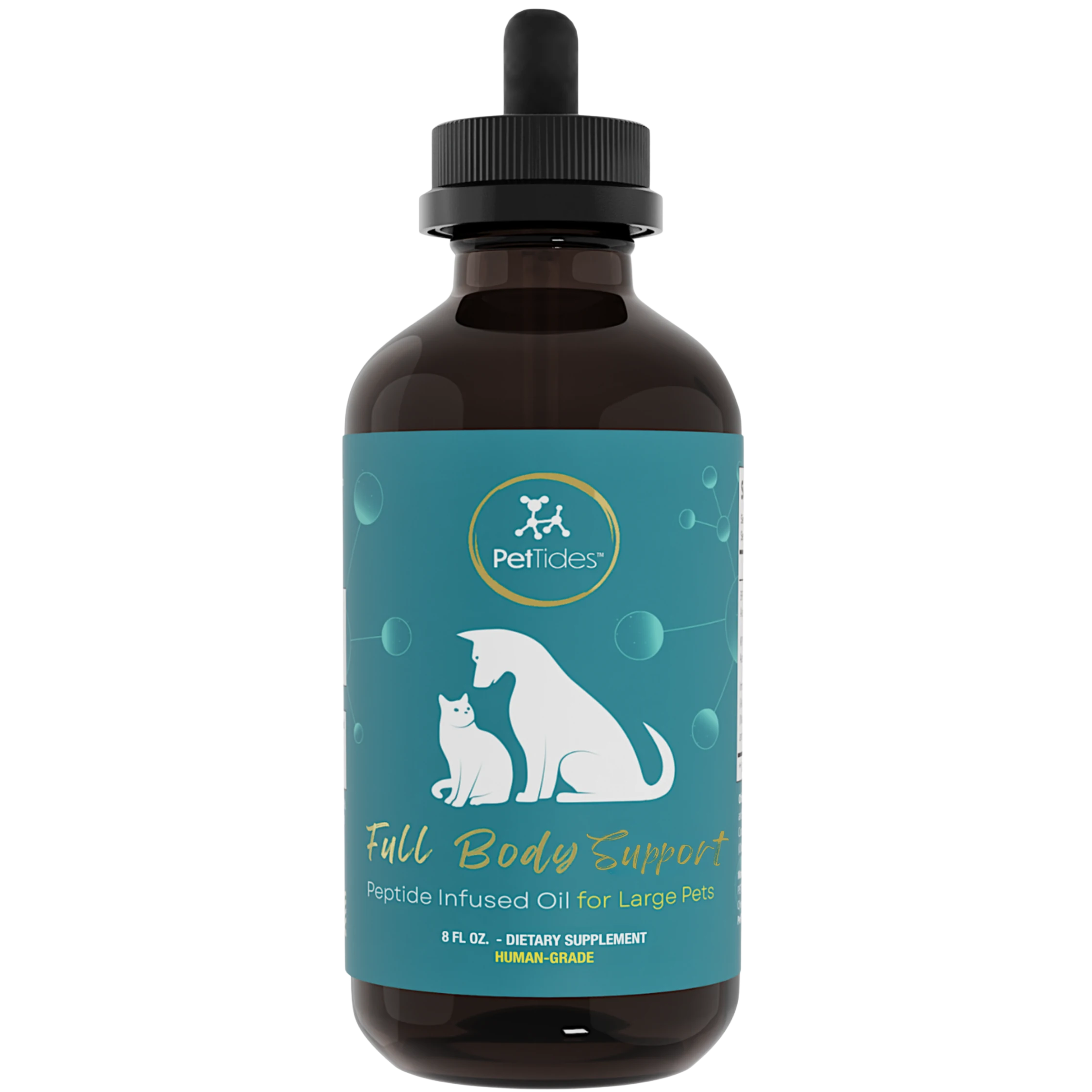
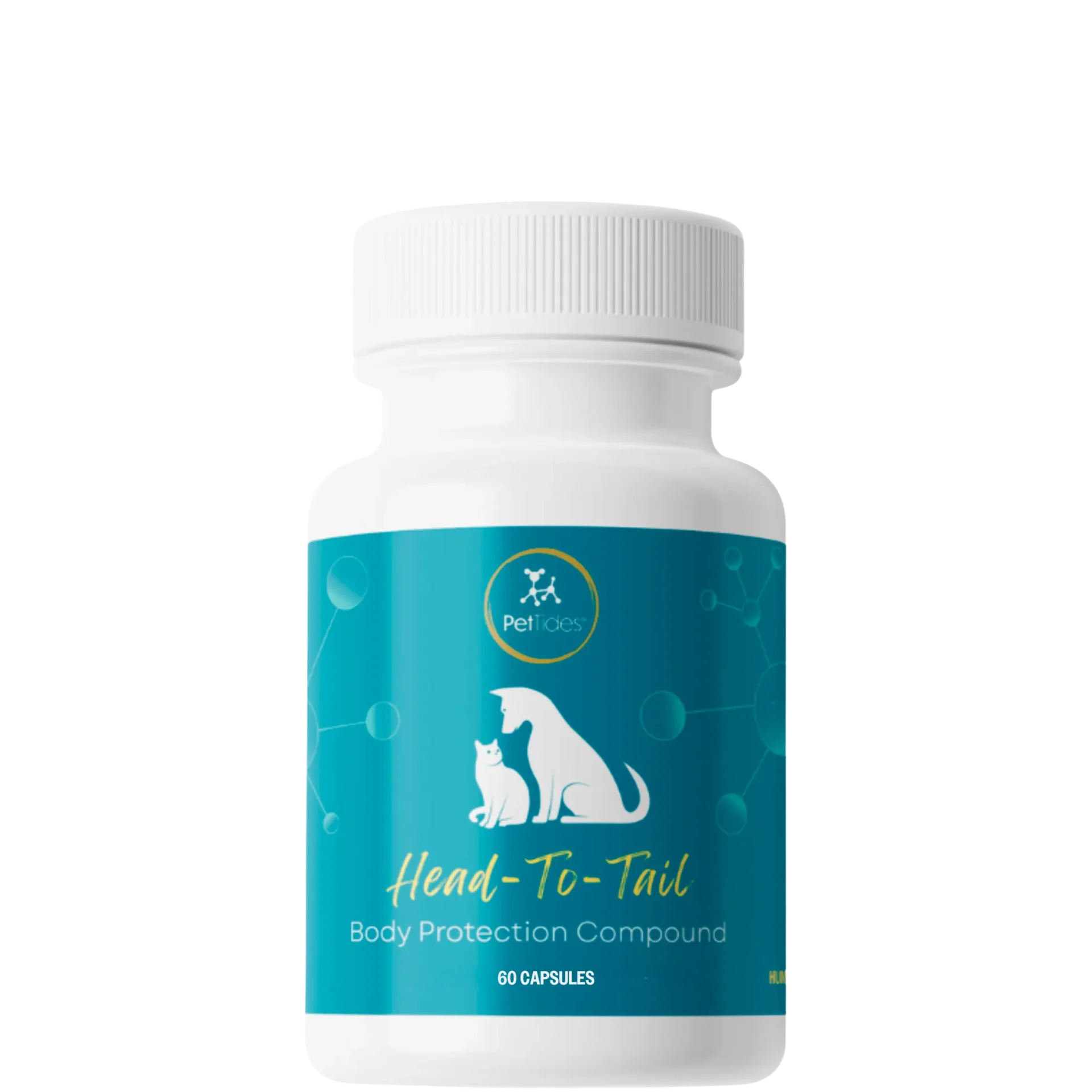
Integrative Peptides has emerged as a dominant player in this space by focusing on ease of administration. Their flagship offerings, such as the Pettides line, blend specific peptide sequences into palatable, easy-to-administer supplements. This approach addresses one of the biggest friction points in pet health compliance: the difficulty of administering injectable or unpalatable compounds to animals. By moving toward oral bioavailability, they have made peptide therapy a viable long-term strategy for home-based care rather than a clinic-only intervention.
However, the broader market includes a mix of hype and genuine therapeutic potential. As noted in veterinary discussions, peptides are trending in elite dog rehab centers for injury repair, but the consumer market often outpaces the clinical evidence. Owners must distinguish between products designed for acute injury recovery and those intended for chronic metabolic support. The following comparison breaks down the primary benefits and target demographics of the leading products currently available.
| Brand | Primary Benefit | Target Demographic | Administration |
|---|---|---|---|
| Integrative Peptides | Tissue Repair & Longevity | Chronic Conditions, Senior Pets | Oral Supplement |
| BarkLife | Joint Health & Mobility | Large Breeds, Arthritis | Oral Supplement |
| VetriScience | Immune Support | General Wellness, Recovery | Chewable Tablet |
| Purely Inspired | Metabolic Support | Overweight, Low Energy | Powder Mix |
Navigating the regulatory gray area
The pet supplement industry operates in a regulatory vacuum. Unlike pharmaceuticals, which undergo rigorous FDA approval for safety and efficacy, most pet supplements are classified as dietary supplements. This distinction means manufacturers can bring products to market without proving they work or are entirely free of contaminants before sale. For owners navigating the Pet Tides guide, this lack of oversight is the single biggest risk factor. The market is flooded with products making bold health claims that have never been tested in controlled clinical trials.
This regulatory gap creates a "wild west" environment where quality control is voluntary, not mandatory. A product might contain the exact ingredients listed on the label, or it might contain nothing at all. In some cases, third-party testing reveals heavy metals, undeclared pharmaceuticals, or completely different compounds than what was advertised. Because the FDA only steps in after a product is already on shelves and causing harm, the burden of proof falls entirely on the consumer to verify safety before purchase.
To protect your pet, you must adopt a framework of skepticism and verification. Do not rely on marketing materials or brand reputation alone. Instead, treat every supplement like a high-stakes investment where you need to audit the underlying assets. The following steps outline a concrete process for evaluating product safety and efficacy, ensuring that the supplements you choose are backed by transparency rather than hype.

Look for a Certificate of Analysis (COA) from an independent, ISO-accredited laboratory. This document should be easily accessible on the company’s website or available upon request. It must confirm that the product contains the labeled ingredients in the stated amounts and is free from harmful contaminants like lead, arsenic, and salmonella. If a company cannot provide a recent COA, assume the product is unverified.
Prioritize products developed or reviewed by licensed veterinarians or veterinary pharmacists. While not a guarantee of efficacy, this step adds a layer of professional oversight. Look for explicit statements about veterinary involvement in the formulation process. Products marketed solely through social media influencers or general wellness blogs often lack this critical scientific review.
Trace the origin of key ingredients. High-quality supplements use pharmaceutical-grade raw materials from reputable suppliers. Avoid products with proprietary blends that hide specific dosages. If the label lists "blend" without breaking down the individual components, you cannot verify the potency or safety of what your pet is actually consuming.

Search for peer-reviewed studies supporting the specific formulation. While anecdotal evidence is common in pet wellness, clinical data is the gold standard for efficacy. Look for studies published in veterinary journals that specifically address the health condition you are trying to treat. Be wary of studies funded by the supplement manufacturer itself, as these may have inherent biases.

Before introducing any new supplement, discuss it with your pet’s veterinarian. They can identify potential interactions with existing medications and advise on appropriate dosages based on your pet’s specific health profile. This step is crucial for avoiding adverse effects and ensuring that the supplement complements, rather than interferes with, your pet’s overall care plan.
No comments yet. Be the first to share your thoughts!