
What Pet Tides Supplements Actually Are
The term "Pet Tides" often causes confusion. It does not refer to a fishing game, a tide-pooling guide, or an end-of-life service. Instead, it is a specific brand name for a line of peptide supplements designed for dogs, cats, and occasionally horses.
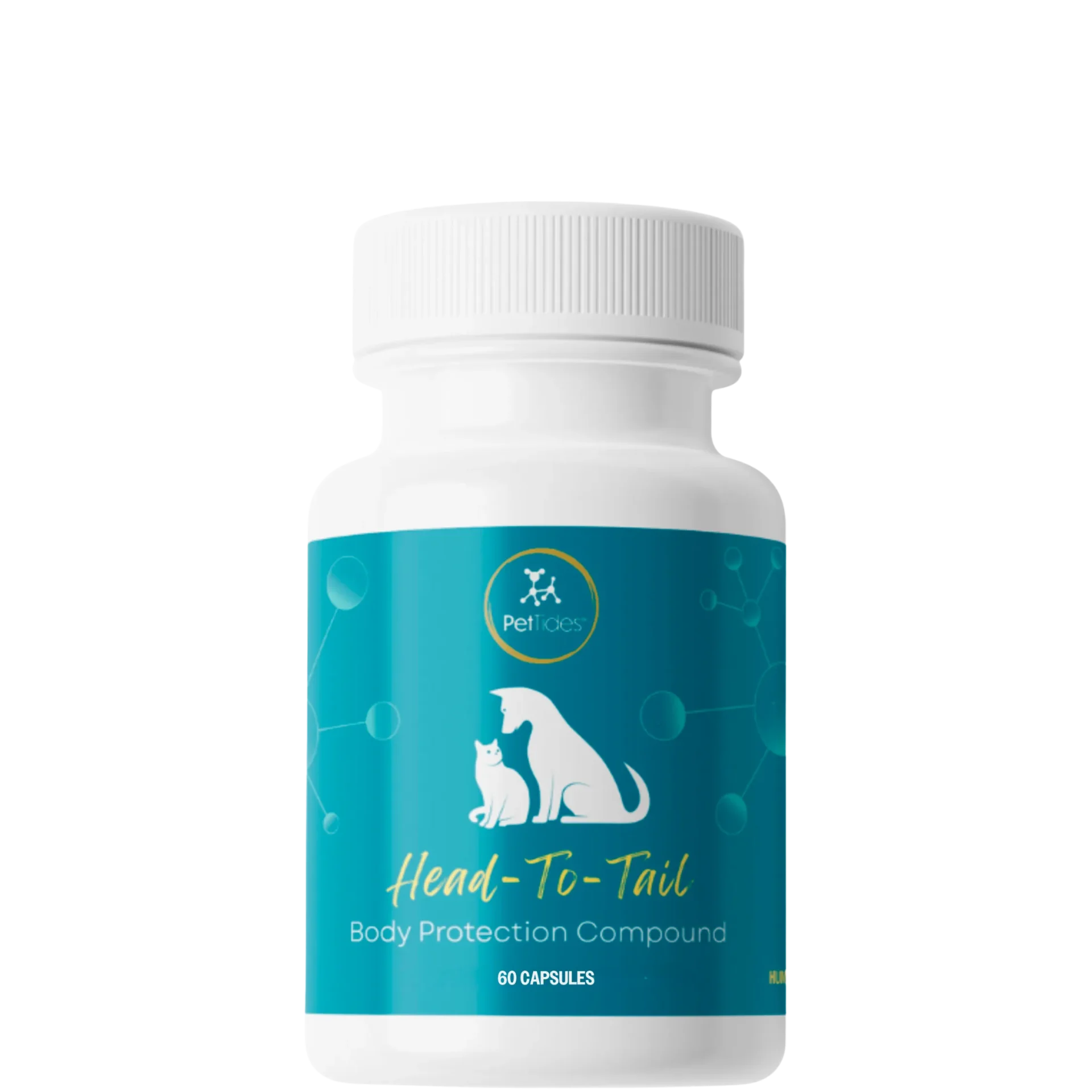
These products are marketed as advanced nutritional support. The core claim is that they deliver bioactive peptides—short chains of amino acids—to help animals recover from injury, manage chronic inflammation, or support general wellness. The most prominent ingredient in these formulations is typically BPC-157, a peptide derived from body protection compound.
It is important to distinguish the brand from the broader scientific category. While "peptide supplements" is a growing market segment, "Pet Tides" (and similar brands like Pettides) represent a specific commercial approach to administering these compounds. They blend substances like BPC-157, KPV, and Thymogen into easy-to-administer formats, positioning themselves as a bridge between traditional veterinary care and emerging integrative therapies.
Because these products exist in a regulatory gray area, the market is fragmented. Some sources frame them as essential health tools, while veterinary professionals often view them with caution due to limited large-scale clinical trials. This guide focuses on understanding what these supplements are, how they are marketed, and the primary evidence surrounding their use, rather than endorsing specific medical outcomes.
Key Peptides in the Pet Tides Formula
Understanding the components of Pet Tides requires looking at the specific peptides used and their proposed mechanisms. The brand typically combines several bioactive compounds, each targeting different physiological pathways.
BPC-157 (Body Protection Compound)
BPC-157 is the most widely discussed peptide in the Pet Tides lineup. Derived from a protein found in human gastric juice, it is believed to promote healing in tendons, ligaments, muscles, and the gut lining. In veterinary integrative circles, it is often cited for its potential to accelerate recovery from soft tissue injuries and manage chronic inflammatory conditions like arthritis. While human studies show promise, robust clinical data in dogs and cats remains limited.
KPV (Lysine-Proline-Valine)
KPV is the C-terminal tripeptide fragment of alpha-melanocyte-stimulating hormone (α-MSH). It is primarily recognized for its potent anti-inflammatory and antimicrobial properties. In the context of pet supplements, KPV is often included to help modulate the immune response and reduce systemic inflammation, potentially aiding pets with autoimmune issues or chronic gut inflammation.
Thymogen
Thymogen is a synthetic peptide derived from thymosin. It is marketed as an immunomodulator, meaning it helps regulate the immune system rather than simply boosting it. The theory is that Thymogen can help normalize immune function in pets that are either immunocompromised or suffering from autoimmune disorders, though its efficacy in veterinary medicine is still largely anecdotal.
Potential benefits for large and small pets
Peptide supplements like Pet Tides are marketed to address distinct physiological needs across different body sizes. While the underlying mechanism—supporting cellular repair and reducing inflammation—is consistent, the application varies significantly between a 150-pound Great Dane and a 10-pound Chihuahua. Understanding these differences helps explain why formulations often differ in concentration and target demographics.
Mobility support for large breeds
Large and giant breeds face higher mechanical stress on joints and connective tissues. Peptides such as BPC-157 and TB-500 are frequently cited in integrative veterinary circles for their potential role in soft tissue repair. For large dogs, the primary benefit is often framed around mobility maintenance and recovery from strain, rather than just pain management. The higher body mass requires precise dosing to ensure the peptides reach therapeutic levels without overwhelming the system.
Wellness for small pets
Small breeds often benefit from a more systemic approach. Because they have faster metabolisms and smaller body volumes, the focus shifts toward general immune support and vitality. For smaller cats and dogs, peptides may be used to support overall resilience against environmental stressors or age-related decline. The goal here is less about repairing acute injury and more about maintaining cellular health and energy levels over time.
Formulation differences
The marketing for brands like Pet Tides often highlights that one size does not fit all. Below is a comparison of how these supplements are typically structured for different pet sizes.
| Feature | Large Breeds | Small Breeds |
|---|---|---|
| Primary Focus | Joint and soft tissue mobility | General immune and cellular vitality |
| Dosing Strategy | Higher concentration per dose | Lower concentration, precise micro-dosing |
| Common Targets | Strain recovery, arthritis support | Energy maintenance, overall resilience |
While these distinctions are clear in marketing materials, it is important to remember that peptide therapy in pets is still an emerging field. Most claims are based on anecdotal evidence or extrapolated from human studies, rather than large-scale, breed-specific clinical trials. Always consult a veterinarian before introducing any new supplement, especially for pets with pre-existing conditions.
Vet Perspectives on Pet Peptide Safety
While brands like Pet Tides market peptides as gentle, restorative aids, the veterinary consensus remains firmly rooted in caution. Unlike FDA-approved pharmaceuticals, most peptide supplements fall into a regulatory gray area. They are often sold as "research chemicals" or unapproved nutraceuticals, meaning their purity, dosage accuracy, and long-term safety profiles are rarely verified by independent clinical trials.
Veterinarians emphasize that peptides are biologically active signaling molecules, not inert vitamins. Because they interact with specific cellular receptors, the margin between a therapeutic benefit and a physiological disruption can be narrow. In geriatric pets or those with compromised organ function, introducing these signals can inadvertently stress the liver or kidneys, especially if the underlying health conditions are undiagnosed.
The Hype vs. The Evidence
Anecdotal reports from pet owners often highlight positive outcomes, such as improved coat shine, faster post-surgical recovery, or increased appetite in senior dogs. However, these observations lack the control groups necessary to establish causality. Veterinary experts warn that the placebo effect in pet care is real, and improvements in behavior or appearance may stem from concurrent lifestyle changes, such as better hydration or diet, rather than the peptide itself.
Important: Always consult a veterinarian before starting peptide therapy, as research in pets is still emerging.
Navigating the Market
Because the market is unregulated, quality varies wildly between manufacturers. Some products may contain contaminants or inconsistent peptide concentrations. When considering peptide supplements, look for third-party testing certificates and transparent sourcing. If a brand cannot provide detailed analysis of their specific batch, it is safer to avoid it. The potential for adverse reactions, including allergic responses or hormonal imbalances, underscores the need for professional guidance rather than self-prescribing based on internet trends.
How to Choose Quality Peptide Products
Navigating the supplement aisle requires a skeptical eye. The market is expanding rapidly, with projections showing a 5.8% annual growth rate, which inevitably attracts brands prioritizing marketing over science. To protect your pet, you must look past the glossy packaging and verify the actual contents. Start by demanding transparency from the manufacturer.
Reputable brands provide a Certificate of Analysis (COA) for every batch. This document proves the product contains what it claims and is free from heavy metals or contaminants. If a company hides behind proprietary formulas or refuses to share test results, treat it as a red flag.
Peptides are biologically active molecules that interact with cellular processes. Products formulated with veterinary input are more likely to use appropriate dosages and stable delivery methods. Look for brands that consult with licensed veterinarians rather than relying solely on marketing teams.
Quality peptides are derived from trusted sources and undergo rigorous purification. Avoid products with vague ingredient lists or those claiming to be "miracle cures." Stick to brands that clearly list the specific peptide sequence and its intended function.
When evaluating options, consider brands like Pet Tides, which emphasize transparent sourcing and clear labeling. However, always cross-reference these claims with independent laboratory results. Your veterinarian can help you interpret these documents and determine if a specific peptide is appropriate for your pet's unique health profile.
Helpful gear
Use these product recommendations as a starting point, then choose the size, material, and price point that fit how you actually use the gear.



As an Amazon Associate, we may earn from qualifying purchases.
Technical Analysis of Peptide Stability
Understanding the stability and delivery mechanisms of peptide supplements is crucial for evaluating their efficacy. Peptides are fragile molecules that can degrade rapidly when exposed to heat, light, or acidic environments. This section provides a technical overview of how different formulations attempt to maintain peptide integrity.
No comments yet. Be the first to share your thoughts!