
Pet tides infrastructure limits to account for
The core challenge with Pet Tides (PET-Tides) isn't just the peptide itself, but the delivery mechanism. Standard oral peptides degrade rapidly in stomach acid, rendering them ineffective. PET-Tides addresses this with a nano-encapsulated shell designed to survive the gastrointestinal journey and release the active ingredient intact in the lower gut [[src-serp-1]]. This infrastructure constraint—bioavailability—is the primary hurdle for any peptide-based pet supplement.
Beyond encapsulation, the supply chain for these specialized materials adds another layer of complexity. Sourcing consistent, high-quality peptide chains requires strict regulatory compliance. Platforms like Pep's Tide track these FDA decisions and compounding rules, highlighting the risk in the supplier network [[src-serp-2]]. If the raw material isn't verified, the encapsulation fails to solve the absorption problem.
For investors and buyers, this means the value proposition hinges on two factors: the integrity of the shell technology and the transparency of the peptide sourcing. Without both, the product is just another supplement in a crowded market. The infrastructure must be robust enough to handle the delicate nature of the payload from manufacturing to the pet's stomach.
Pet tides infrastructure choices that change the plan
Pet Tides works best as a clear sequence: define the constraint, compare the realistic options, test the tradeoff, and choose the path with the fewest hidden costs. That order keeps the advice usable instead of decorative. After each step, pause long enough to check whether the recommendation still fits the reader's actual situation. If it depends on perfect timing, unusual access, or a best-case budget, include a simpler fallback.
| Factor | What to check | Why it matters |
|---|---|---|
| Fit | Match the option to the primary use case. | A good deal still fails if it does not fit the job. |
| Condition | Verify age, wear, and service history. | Hidden condition issues erase upfront savings. |
| Cost | Compare purchase price with likely upkeep. | The cheapest option is not always the lowest-cost option. |
Choose the next step: turn research into a practical framework
Web3 asset tracking for pet health products like Pet Tides requires more than just monitoring token prices. You need a framework that connects on-chain data to real-world supply chain integrity and regulatory shifts. This section outlines a five-step decision process to evaluate infrastructure strategies effectively.
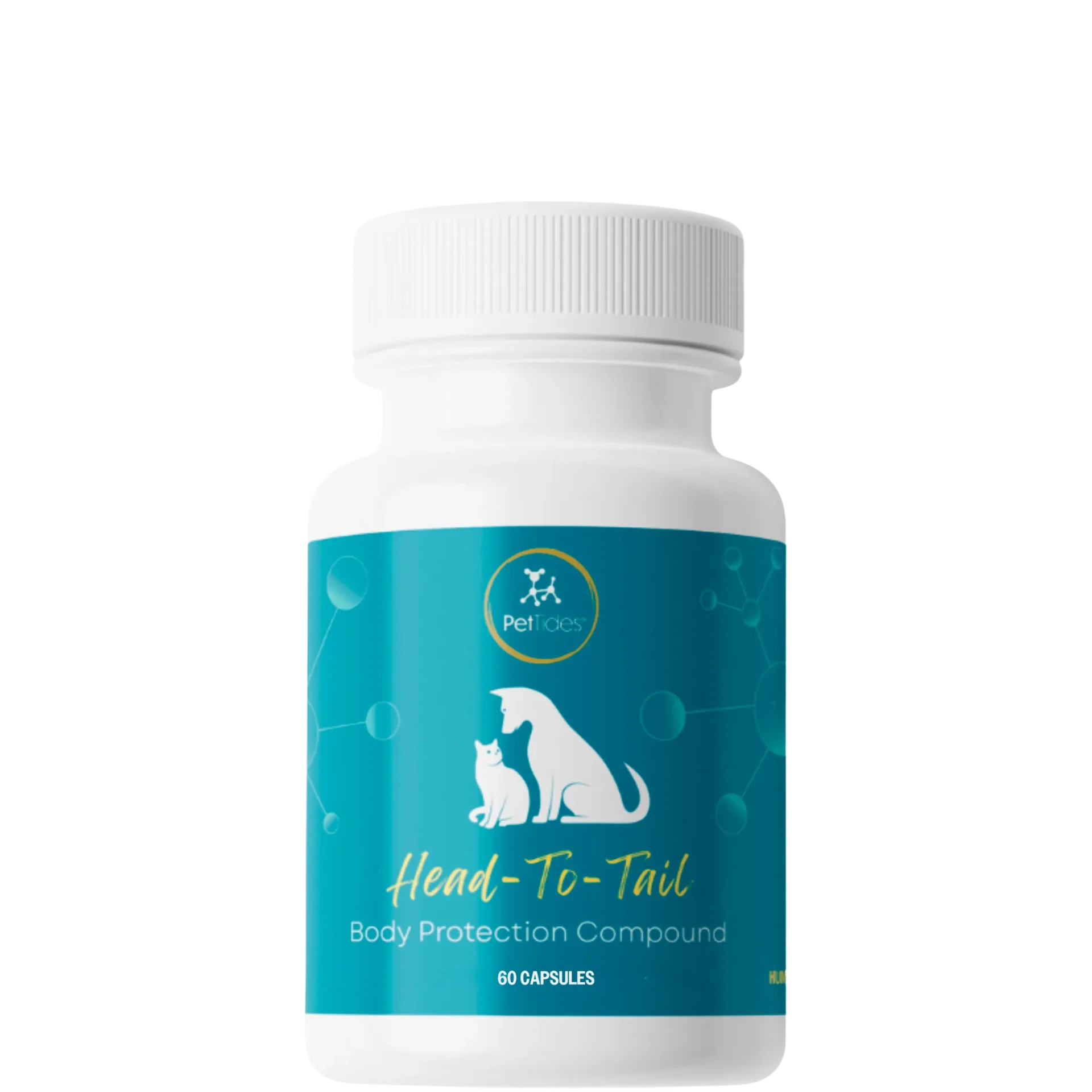
Start by identifying where blockchain integration adds the most value. For products like Pet Tides, which use encapsulation to ensure peptide absorption, track the journey from raw material sourcing to final formulation. Use on-chain ledgers to verify the origin of key ingredients, ensuring that the "liquid peptides" claim is backed by immutable supply chain records.
Regulatory risk is a primary driver for asset valuation in this niche. Track FDA decisions and compounding pharmacy rules that affect peptide accessibility. Platforms like Pep's Tide provide intelligence on clinic implications and supplier risk. Integrate these regulatory signals into your tracking dashboard to adjust for policy-driven supply shocks or compliance costs.
Not all pet-health projects have the same liquidity profile. Use technical charts to analyze trading volume and depth for relevant tokens. Look for stable accumulation patterns rather than speculative spikes. High volatility can indicate low institutional interest, which may signal higher risk for long-term infrastructure investments in this specific sub-sector.

Security is non-negotiable in Web3 asset tracking. Review the audit history of any smart contracts managing pet-health asset tokens. Prioritize projects that have undergone multiple audits by reputable firms. A single vulnerability can erase value instantly, so treat audit reports as a primary filter for any infrastructure strategy.
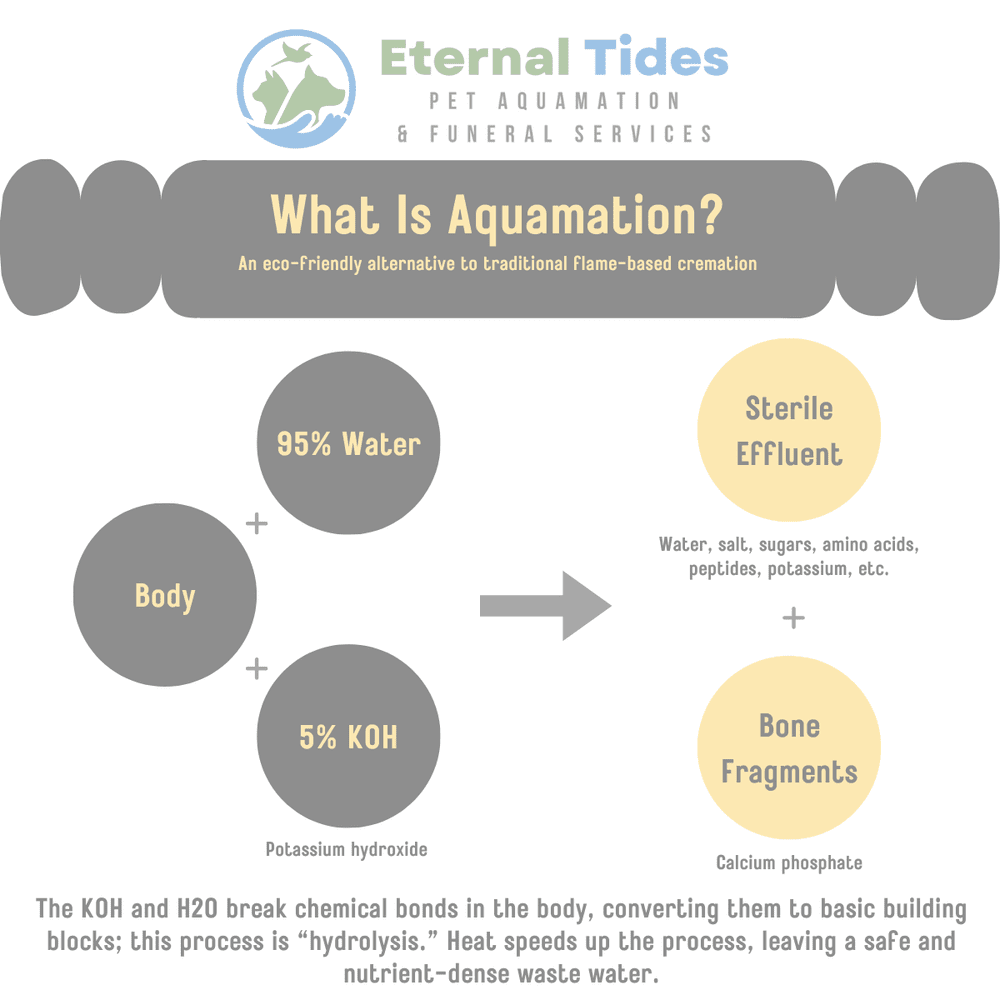
Combine the data points above into a single risk score. Weight regulatory changes heavily, as they can abruptly alter market access. Combine this with liquidity metrics and supply chain transparency. This composite score should drive your buy, hold, or sell decisions, providing a clear, data-backed rationale for your position.
Key Takeaways
- Supply Chain Transparency: Use blockchain to verify the origin of encapsulated peptides.
- Regulatory Intelligence: Track FDA and compounding rules as primary risk factors.
- Liquidity Analysis: Focus on stable accumulation patterns in technical charts.
- Security First: Prioritize projects with multiple reputable smart contract audits.
- Composite Scoring: Combine regulatory, liquidity, and security data into a single decision metric.
Spotting Weak Options in Pet Tides Infrastructure
The market for Web3 asset tracking in the pet health sector is still forming, and not all infrastructure claims hold up to scrutiny. When evaluating platforms that promise to track peptide-based treatments or digital asset ownership, you need to look past the marketing gloss. The difference between a robust system and a misleading claim often lies in the underlying technology and the transparency of its data sources.
Unverified "Nano-Encapsulated" Claims
Some platforms tout proprietary delivery mechanisms, such as "nano-encapsulated shells" designed to survive the gut environment. While this sounds scientifically advanced, it is often a marketing term used to obscure a lack of peer-reviewed evidence. A legitimate infrastructure provider will link to clinical studies or third-party validation, not just a homepage slogan. If the source material relies solely on its own branded site for technical explanations, treat the claim with skepticism.
Vague Regulatory Tracking
Another common pitfall is the use of broad terms like "clinic intelligence" or "peptide policy tracking" without clear methodology. Effective Web3 tracking in this niche requires integrating with official FDA decisions and compounding rules. Look for platforms that explicitly state how they aggregate data from primary sources like the FDA or official compounding pharmacy registries. If the platform cannot show its data pipeline or relies on aggregated, unverified news feeds, it is likely providing a weak option for serious asset tracking.
Lack of Provider-Backed Data
Finally, avoid systems that do not use provider-backed widgets for real-time data. In high-stakes financial and health sectors, static or manually updated data is a liability. A proper infrastructure strategy will include live charts and price widgets sourced directly from exchanges or official registries. This ensures that the asset tracking is not just a theoretical exercise but reflects the current, verifiable state of the market.
Faq: pet tides infrastructure: what to check next
How does Pet Tides ensure peptides survive the digestive system?
Standard oral peptides often degrade before they can be absorbed. Pet Tides uses a nano-encapsulated shell designed to protect the active ingredients through the gut. This technology allows the peptides to reach the intestinal lining intact, where they can be absorbed into the bloodstream effectively.
Is Pet Tides a regulated pharmaceutical product?
No. Pet Tides is formulated as a dietary supplement, not an FDA-approved drug. It does not claim to diagnose, treat, cure, or prevent any disease. The company states that its products undergo manufacturing processes to ensure quality, but they fall under the regulatory framework for supplements rather than prescription medications.
What is the difference between Pet Tides and other peptide brands?
The primary difference lies in the delivery mechanism. Many competitors use standard powder or liquid forms that may have poor bioavailability. Pet Tides focuses on encapsulation technology to enhance absorption. Other brands, like Puptides or Petides, may offer different peptide profiles or delivery methods, so it is important to check the specific ingredient list for your pet's needs.
Can I use Pet Tides alongside other medications?
While generally considered safe, peptides can interact with biological pathways. If your pet is on other medications or has a chronic condition, consult your veterinarian before starting Pet Tides. They can help determine if the specific peptides in the formula might interfere with existing treatments or health conditions.
No comments yet. Be the first to share your thoughts!