Start Pet Tides Analysis with the constraint that matters most in real life: space, timing, budget, skill level, maintenance, or availability. That first constraint should shape the rest of the plan instead of appearing as an afterthought.
Keep the first pass simple enough to verify. Compare the main options against the same criteria, remove choices that only work in ideal conditions, and save optional upgrades for later.
The simplest way to use this section is to write down the real constraint first, compare each option against it, and choose the path that still works outside ideal conditions.
How to evaluate pet tides and supplement infrastructure
The pet supplement sector has shifted from a niche market to a $580 million industry with an 11% annual growth rate between 2017 and 2022. This surge creates a "rising tide" of products that often outpace rigorous regulatory oversight. For investors and veterinary professionals, navigating this landscape requires distinguishing between established infrastructure and speculative trends. The following steps outline how to assess the validity of pet tide claims, evaluate supplement safety, and identify reliable market research tools.
1
Verify regulatory compliance and sourcing
Start by checking if the product or company adheres to FDA Good Manufacturing Practices (GMP) and AAFCO guidelines. Unlike pharmaceuticals, dietary supplements for pets do not require pre-market approval. Look for third-party testing certificates that verify purity and potency. If a company cannot provide batch-specific lab results, treat the investment or recommendation as high-risk. Official sources like the FDA’s veterinary drug database can help flag any recent warnings or recalls associated with the manufacturer.
2
Analyze peptide efficacy and safety data
When evaluating peptides, such as those used in regenerative therapies or metabolic support, focus on clinical evidence rather than anecdotal reports. Research from sources like the National Center for Biotechnology Information (NCBI) provides peer-reviewed data on uptake rates and side effects. For example, studies on peptide PET imaging show specific uptake rates in high-expression cells, highlighting the precision required in peptide applications. Be wary of products claiming broad-spectrum cures without specific biochemical mechanisms. The primary downside of taking unregulated peptides includes potential hormonal imbalances and unknown long-term effects.
3
Assess market research tool reliability
Invest in research platforms that offer real-time data on supplement trends, ingredient sourcing, and consumer sentiment. Avoid tools that rely solely on social media buzz. Reliable platforms should integrate data from veterinary clinics, e-commerce sales figures, and regulatory filings. Cross-reference findings with industry reports from veterinary magazines and financial news outlets to validate growth projections. This multi-source approach helps filter out noise and identifies genuine market shifts versus temporary fads.
4
Monitor consumer feedback and veterinary endorsements
Look for consistent positive feedback from licensed veterinarians and long-term users. While online reviews can be manipulated, patterns in professional endorsements often correlate with product efficacy. Check if the product is recommended in veterinary journals or discussed in peer-reviewed contexts. A product with strong veterinary backing is less likely to be part of a speculative bubble. Conversely, products with no professional endorsement but high marketing spend may signal a short-lived trend.
5
Conduct a final risk assessment
Before making an investment or recommendation, perform a final risk assessment. Consider the company’s financial health, supply chain stability, and regulatory history. For supplements, evaluate the potential for adverse reactions, especially in pets with pre-existing conditions. If the product lacks transparent sourcing or clinical validation, it is safer to avoid. The goal is to separate sustainable growth opportunities from speculative hype.
Verify FDA GMP compliance and AAFCO guidelines
Review third-party lab results for purity and potency
Check NCBI or peer-reviewed studies for peptide efficacy
Cross-reference market data with veterinary journals
Assess long-term user and veterinary feedback
Perform final risk assessment on supply chain and financials
Pet tides is a term often used to describe the rising market trend and volume of pet supplement products. It refers to the increasing availability and marketing of wellness products, including peptides, for dogs and cats, rather than a specific scientific metric or biological cycle.
While rankings vary by purpose, three commonly cited peptides in veterinary wellness are BPC-157 for gut and tissue repair, TB-500 for inflammation and mobility, and GHK-Cu for skin health and wound healing. Always consult a veterinarian to determine which is appropriate for your pet\u0027s specific condition.
The primary downsides include a lack of strict FDA regulation for supplement-grade peptides, potential for contamination, and unknown long-term effects. Some peptides may also cause temporary side effects like nausea, fatigue, or injection site reactions, and they can interact with other medications.
Look for gradual improvements in the specific symptoms you are treating, such as reduced stiffness, better coat quality, or improved digestion. Effects are rarely immediate; track your pet\u0027s activity levels and appetite over 2-4 weeks. If no improvement is seen, or if symptoms worsen, discontinue use and consult your vet.
Helpful gear
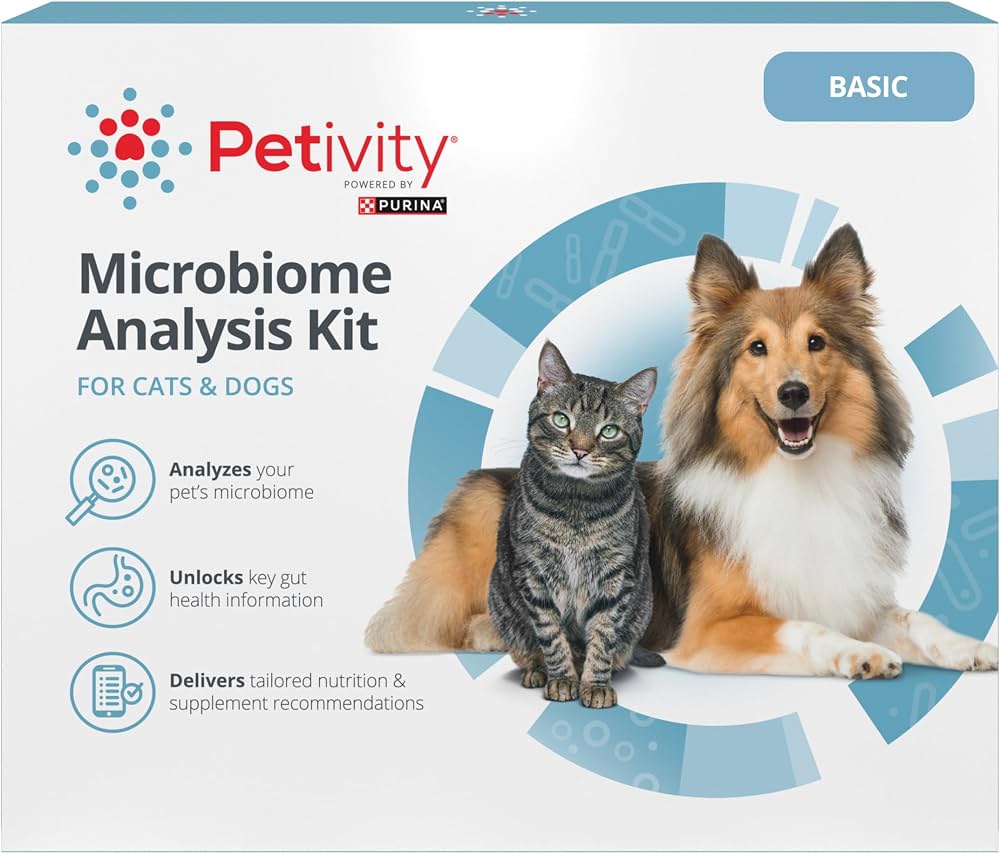
Use these product recommendations as a starting point, then choose the size, material, and price point that fit how you actually use the gear.


No comments yet. Be the first to share your thoughts!