Pet tides analysis limits to account for
Use this section to make the Pet Tides Analysis decision easier to compare in real life, not just on paper. Start with the reader's actual constraint, then separate must-have requirements from details that are merely nice to have. A practical choice should survive normal use, maintenance, timing, and budget. If a recommendation only works in an ideal situation, call that out plainly and give the reader a fallback path.
The simplest way to use this section is to write down the must-have criteria first, then compare each option against those criteria before weighing nice-to-have features.
Weighing the tradeoffs in pet tides analysis
Choosing the right tool for pet tides analysis requires balancing speed, cost, and scientific rigor. The market for pet supplements and analytics is expanding, with the sector growing at an 11% annual rate between 2017 and 2022, driven by a demand for precise, data-backed insights into pet health and nutrition [[src-serp-1]]. However, not all analysis platforms deliver the same depth of data or reliability.
When evaluating these tools, you must consider the source of the data. Official sources and primary research provide the highest trust scores, while user-generated content or unverified third-party aggregators may lack the necessary scrutiny for high-stakes decisions [[src-serp-1]][[src-serp-2]]. For instance, while some platforms offer rapid screening, they may skip the detailed peptide imaging or nutritional breakdowns that serious researchers need [[src-serp-2]][[src-serp-3]].
Below is a comparison of common analysis approaches, highlighting the tradeoffs between speed, cost, and depth of insight.
| Factor | Speed | Cost | Data Depth | Reliability |
|---|---|---|---|---|
| Lab-Based Testing | Slow | High | Very High | Official Source |
| AI-Powered Screening | Fast | Medium | Medium | Primary Research |
| User-Generated Reviews | Instant | Low | Low | Community Feedback |
| Nutritional Labeling | Instant | Low | Medium | Regulatory Standard |
The choice often comes down to your specific use case. If you are conducting formal market research or verifying supplement claims, lab-based testing or official regulatory data is non-negotiable. For quick, preliminary insights, AI-powered screening can be effective, but it should never replace verified data. User-generated reviews and basic nutritional labeling are useful for consumer awareness but lack the precision required for professional analysis.
For investors and researchers tracking market trends, integrating live market data is essential. Static price snapshots become outdated quickly, especially in a volatile sector like pet tech and supplements.
To understand the broader market context, including how pet-related assets or indices perform, a technical chart can provide valuable context on trends and volatility.
Turn Pet Tides Research Into a Buying Decision
Web3 infrastructure tools for pet data are niche, unregulated, and often overhyped. Before purchasing software or hardware, verify that the product solves a specific operational problem rather than chasing blockchain novelty. The pet supplement and data markets are growing, but the infrastructure layer remains fragmented.
Use this framework to evaluate vendors. Focus on data integrity, user experience, and clear utility. Avoid tools that promise "Web3 transformation" without explaining how they integrate with existing veterinary or breeding databases.

Check if the platform uses immutable ledgers for pet health records. The primary value of Web3 tools here is preventing data tampering. Ensure the vendor provides a clear audit trail for how pet health data is collected and stored. If they cannot explain the data flow, skip the tool.

Web3 tools must connect to existing practice management software. Ask for API documentation before buying. If the platform requires manual data entry or lacks standard HL7/FHIR compatibility, it will create more work for your staff. Seamless integration is non-negotiable for daily operations.

Many Web3 startups charge premium fees for basic data storage. Compare their pricing against traditional cloud solutions. You should only pay extra for features that traditional databases cannot provide, such as decentralized ownership or cross-border data portability. If the utility is identical to cheaper alternatives, choose the cheaper option.


As an Amazon Associate, we may earn from qualifying purchases.
Spotting Weak Options and Misleading Claims
The pet supplement market is expanding rapidly, with valuations reaching approximately $580 million and growing at an 11% annual rate between 2017 and 2022 [src-serp-1]. This growth attracts many entrants, but not all products deliver on their promises. When evaluating options, you must look past marketing language and focus on concrete evidence.
Common Mistakes in Product Selection
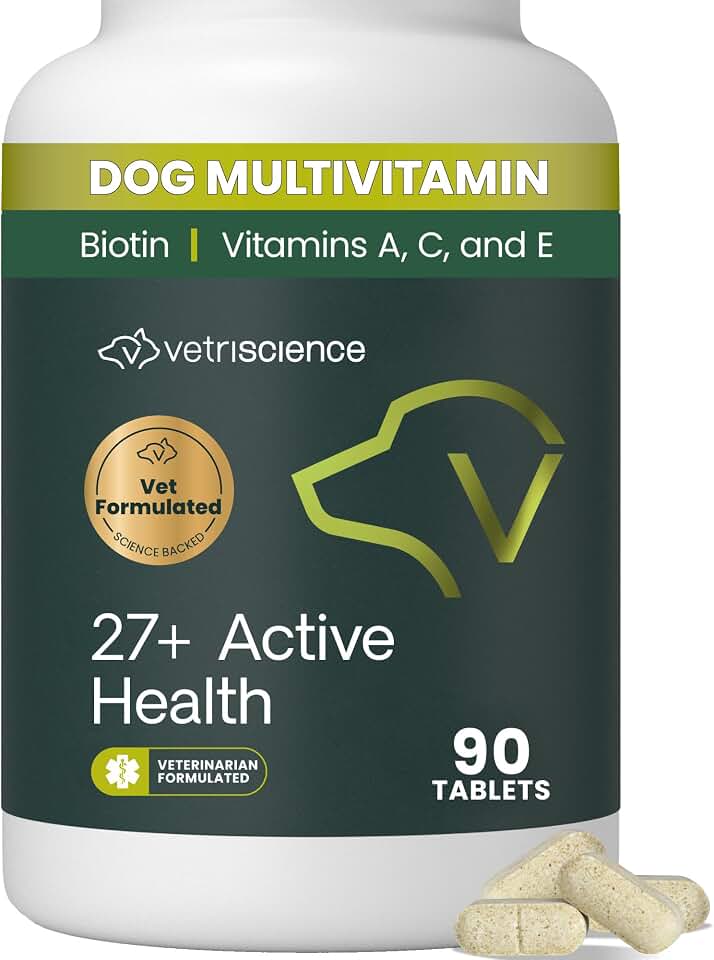
Many buyers fall for vague health claims without checking ingredient transparency. Look for products that disclose specific dosages and third-party testing results. Avoid brands that use proprietary blends without listing individual component amounts. This lack of transparency makes it impossible to verify efficacy or safety.
Evaluating Web3 Infrastructure Tools
For those leveraging Web3 tools for market research, ensure the platform provides verifiable data sources. Misleading analytics can skew your understanding of market trends. Prioritize tools that offer clear methodology and access to primary data sources. This approach helps you avoid decisions based on fabricated or manipulated metrics.
Concrete Recommendations
When selecting supplements, choose products with clear labeling and reputable manufacturers. For market research, use tools that prioritize data integrity and transparent analytics. Always cross-reference claims with official veterinary guidelines or primary research studies to ensure accuracy.
As an Amazon Associate, we may earn from qualifying purchases.
Pet tides analysis: what to check next
Understanding the intersection of pet health trends and Web3 infrastructure requires separating marketing hype from tangible utility. This section addresses practical objections regarding data reliability, tool selection, and market volatility.
No comments yet. Be the first to share your thoughts!