What the Pet Tides Analysis Reveals
The "Pet Tides" analysis describes a structural shift in animal health: moving from broad-spectrum supplements to targeted, peptide-based wellness solutions. This transition is driven by consumer demand for science-backed tools rather than general nutrition. Industry data indicates the pet supplement sector grew to approximately $580 million with an 11% annual growth rate between 2017 and 2022, signaling a maturing market where owners prioritize efficacy and transparency.
At the center of this shift is peptide science, which focuses on specific biological pathways to support underlying health mechanisms rather than just treating symptoms. Companies like Pet Tides are leading this charge by advancing wellness through precision biology. Understanding this shift allows pet owners to make informed decisions about their pets' health.
Key Infrastructure Trends for 2026
The pet supplement and peptide market is shifting from anecdotal claims to a structured, data-driven industry. By 2026, this growth rests on three pillars: transparent sourcing, rigorous third-party testing, and clearer regulatory pathways. These infrastructure changes ensure better safety and more reliable results for pets.
Ethical Sourcing and Raw Materials
Veterinary peptide development begins with ethical sourcing and raw material collection. Every ingredient, whether plant-based or animal-derived, must meet strict quality standards. Manufacturers are now required to trace raw materials back to their origin to reduce contamination risks and ensure batch consistency. The potency of a peptide is only as good as its source.
Rigorous Third-Party Testing
Safety cannot be self-certified. Independent labs like Prairie Tide Analytics are becoming the standard for verifying nutritional content, safety, and quality in finished pet foods. This third-party validation checks for heavy metals, pathogens, and inconsistent dosages. A verified test report signals that the manufacturer has nothing to hide, protecting pets from ineffective or harmful supplements.
Regulatory Clarity and Market Stability
Regulatory bodies are clarifying the lines between drugs, supplements, and medical devices. While the FDA does not approve supplements for efficacy, the push for standardized labeling and good manufacturing practices (GMP) creates a predictable environment. This stability encourages investment in research and development, leading to more effective products backed by evidence.
Essential Tools for Pet Wellness
The pet supplement market's expansion reflects a broader shift toward proactive health management. To navigate this noise, owners should identify tools that support specific needs without falling for marketing hype. When selecting supplements, prioritize products with transparent sourcing and third-party testing.
Peptides are gaining attention for potential recovery benefits, with some users reporting improved mobility and reduced swelling. However, these claims should be weighed against veterinary guidance rather than anecdotal reports alone. Prioritize supplements that address diagnosed conditions or preventive care needs, such as joint support for aging dogs or digestive aids for sensitive cats.
For monitoring, consider tools that provide objective data. Digital health trackers can log activity levels, sleep patterns, and appetite changes, offering insights that complement regular vet checkups. These devices help detect subtle shifts in behavior that might indicate underlying health issues.
The following products represent a curated selection of supplements and monitoring tools that align with current wellness standards, emphasizing quality and practical utility.
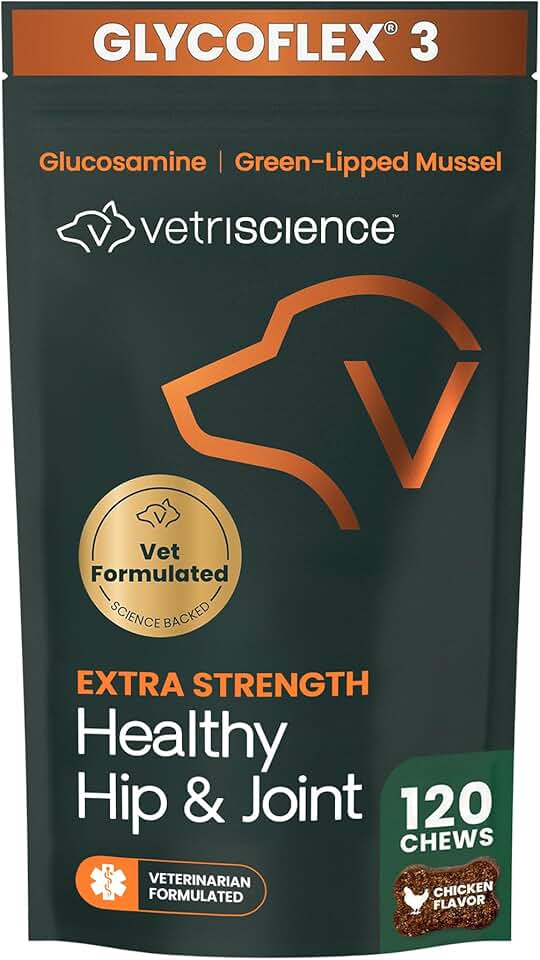


As an Amazon Associate, we may earn from qualifying purchases.
How to Evaluate Pet Supplement Quality
Choosing a supplement requires a clear framework to separate useful ingredients from fillers. Look at the evidence behind the label, not just the packaging.
Start by verifying sourcing and manufacturing standards. Reputable companies use third-party laboratories to test finished products for purity and potency. Look for a Certificate of Analysis (COA) that is readily available. If a brand hides its testing data, treat that as a red flag.
Next, scrutinize the ingredient list for transparency. Vague terms like "natural flavors" or proprietary blends obscure low-quality ingredients. High-quality supplements list every active ingredient with specific dosages and clearly disclose binders, fillers, or artificial preservatives.
Finally, check for clinical backing. Peer-reviewed research or studies conducted by independent veterinary institutions carry more weight than anecdotal success stories. A brand that cites specific clinical trials or publishes findings in veterinary journals is investing in long-term trust.
Ensure the manufacturer uses independent labs to test for safety and potency. Look for a publicly available Certificate of Analysis (COA) to confirm the product matches its label claims.
Avoid proprietary blends. High-quality supplements list every active ingredient with exact dosages. They also clearly disclose all inactive ingredients, such as binders and fillers, so you know exactly what your pet is ingesting.

Prioritize brands that cite peer-reviewed research or independent veterinary studies. This moves the conversation from marketing hype to evidence-based wellness, ensuring the product has a proven track record of safety and efficacy.
Looking Ahead: 2026 Market Outlook
The pet wellness market is shifting from reactive care to proactive health management. As we move into 2026, the integration of peptide science and personalized supplementation is becoming a standard component of veterinary strategy. This transition reflects consumer demand for evidence-based solutions that address root causes.
Historical data shows the sector has maintained an annual growth rate of approximately 11% since 2017. This trajectory suggests continued market maturity, with a focus on transparency and clinical validation. Pet owners are increasingly savvy, seeking out brands that provide clear sourcing and scientific backing.
Prioritize tools and supplements that have undergone rigorous testing. The focus should remain on quality and efficacy, ensuring that every purchase contributes to a measurable improvement in your pet’s health. Staying informed through primary sources and veterinary guidance is the most effective way to navigate these changes.
No comments yet. Be the first to share your thoughts!