Defining the pet tides infrastructure landscape
The term "pet tides infrastructure" often triggers immediate associations with a specific brand of peptide supplements. While products like Pettides for Pets have gained visibility by blending peptides into easy-to-administer supplements for pet wellness, the broader market reality is far more complex. The infrastructure supporting this sector is not a single product line but a dual-layered ecosystem comprising physical supply chain logistics and digital data management systems.
Physical infrastructure in this space is currently undergoing significant stress. As clinics reintroduce peptide therapy, the demand for compounded medications has outpaced existing manufacturing capabilities. This surge is testing the limits of 503B outsourcing facilities, which are now receiving production inquiries that exceed their current bulk supply capacity. Meanwhile, 503A pharmacies are scaling operations to meet immediate clinical needs, creating a fragmented but critical physical distribution network for these specialized treatments.
Beyond the physical movement of goods, digital infrastructure plays an equally vital role. Pet wellness data—ranging from genomic profiles to real-time health monitoring from wearable devices—requires robust platforms to store, analyze, and secure this information. This data layer enables personalized care plans and supports the clinical decisions made within the physical supply chain. Understanding this distinction between the tangible logistics of peptide distribution and the intangible flow of health data is essential for navigating the 2026 market landscape.
Key tools for pet tides market research
Analyzing the pet tides market requires more than just intuition; it demands precise data aggregation and real-time trend analysis. The right software stack allows you to track consumer behavior shifts, monitor competitor pricing, and identify emerging product categories before they hit the mainstream.
For businesses looking to understand this niche, the foundation is reliable data collection. You need tools that can scrape and aggregate reviews, social media sentiment, and sales data from major pet retailers. This data forms the backbone of your market intelligence, allowing you to see exactly what pet owners are buying and why.
When selecting software, prioritize platforms that integrate multiple data sources into a single dashboard. This reduces the manual effort required to compile reports and minimizes the risk of data silos. Look for solutions that offer customizable alerts for sudden spikes in search volume or negative sentiment, which can signal emerging trends or potential crises.
Beyond data collection, visualization is critical. The best tools transform raw numbers into clear, actionable charts that stakeholders can understand at a glance. Whether you are tracking the growth of organic pet food or the decline of traditional kibble, visual trends help you communicate findings to investors and internal teams effectively.
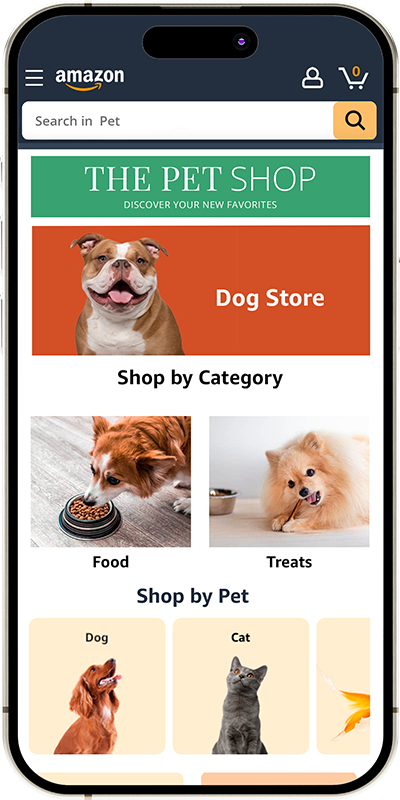
As an Amazon Associate, we may earn from qualifying purchases.
2026 Infrastructure Stress Points
The pet tides infrastructure is no longer just about supply and demand; it is a test of operational resilience. As the market shifts, clinics and manufacturers are hitting hard walls. The most immediate pressure is coming from regulatory compliance, specifically the tension between traditional 503A pharmacies and newer 503B outsourcing facilities.
Barrington James notes that the current "peptide shift" is acting as a stress test for this 503B infrastructure. While 503A pharmacies scale up first to meet basic demand, 503B facilities are only now beginning to receive serious production inquiries. This lag creates a bottleneck. Bulk supply tightens precisely when the market needs flexibility, forcing operators to choose between speed and compliance. The infrastructure simply isn't built for this kind of rapid, high-stakes pivoting yet.
Beyond the pharmacy level, data privacy and supply chain transparency remain critical vulnerabilities. Investors and operators alike are realizing that a robust infrastructure requires more than just manufacturing capacity; it demands secure, real-time data flows. Without it, a single disruption in the supply chain can ripple through the entire ecosystem, affecting everything from clinic inventory to end-user trust.
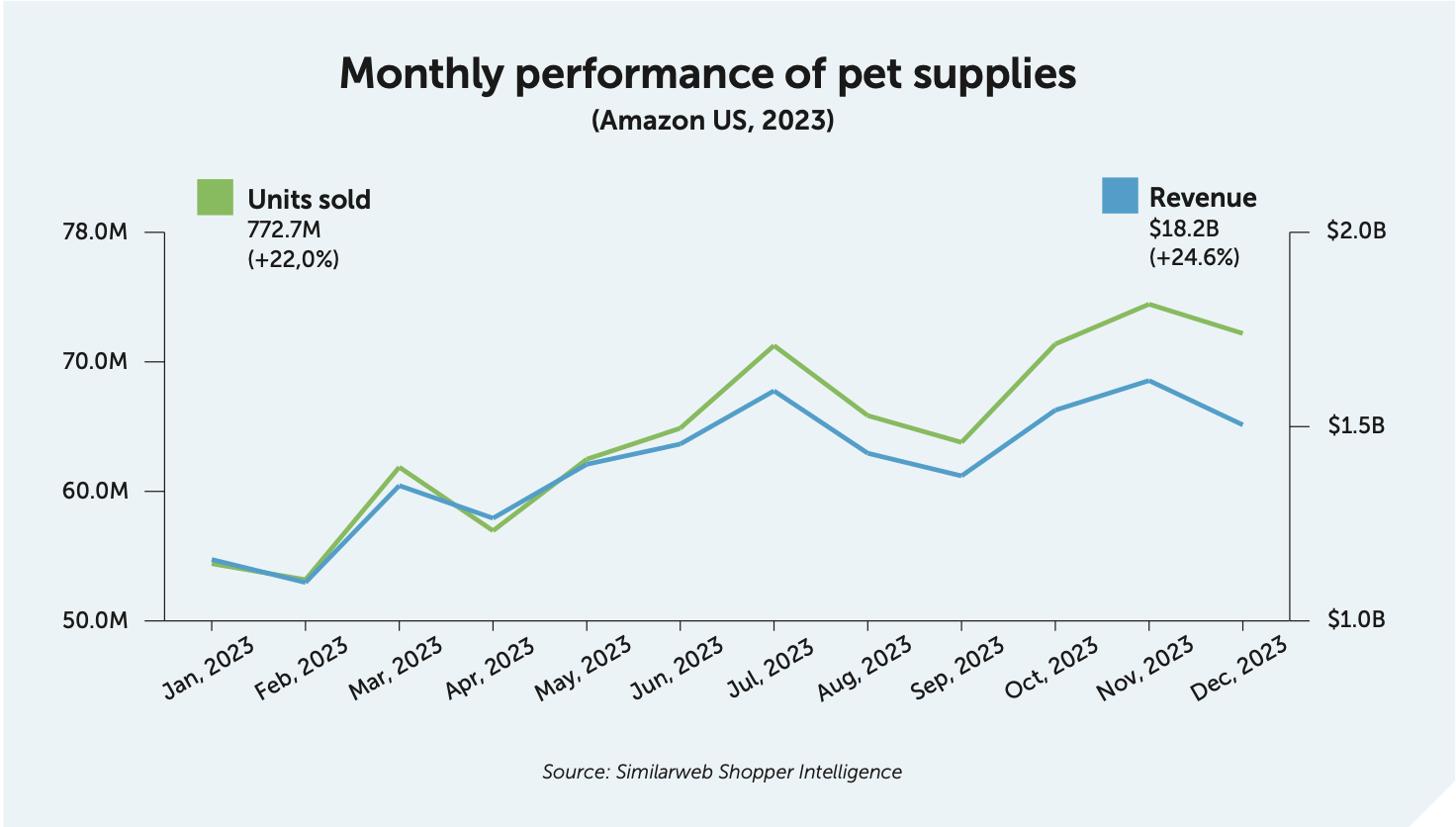
To understand the market's reaction to these growing pains, look at the volatility in the broader pet wellness sector. The chart below illustrates how quickly sentiment can shift when infrastructure fails to keep pace with demand.
The lesson for 2026 is clear: infrastructure is the new moat. Companies that solve these operational and regulatory hurdles will dominate the next cycle, while those that ignore them will find themselves squeezed out by more resilient competitors.
Building a resilient pet tides strategy
Developing a long-term market position for pet tides requires more than just identifying a niche; it demands a structured approach to infrastructure and resilience. By treating your strategy as a series of interconnected steps, you can mitigate risks and leverage official data to make informed decisions.
Begin by evaluating your existing assets. Use a checklist to identify gaps in your current operational framework. This baseline assessment ensures you understand where you stand before investing in new capabilities.
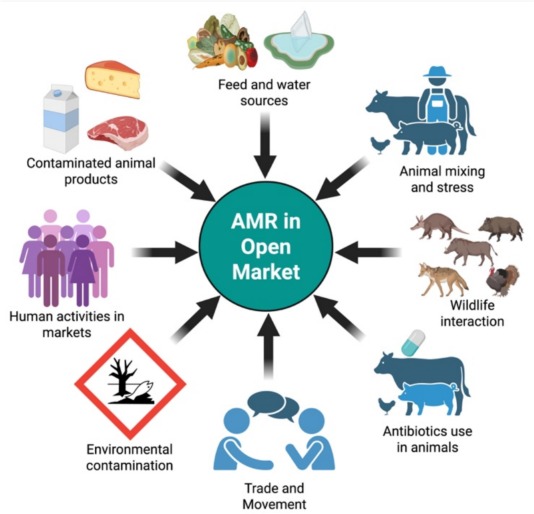
Ground your strategy in primary sources. NOAA and other official bodies provide critical data on habitat connectivity and infrastructure effects. Relying on these authoritative sources reduces uncertainty and aligns your goals with regulatory realities.
Incorporate live data visualization into your planning. Using provider-backed widgets for market trends allows you to monitor performance in real-time. This dynamic approach helps you adjust quickly to shifts in the pet tides landscape.
Finally, build flexibility into your core strategy. Anticipate potential disruptions and create contingency plans. A resilient strategy prioritizes sustainability and adaptability, ensuring your market position remains strong over time.
By following these steps, you create a robust foundation for growth. This methodical approach transforms complex market dynamics into actionable insights, positioning you for success in the evolving pet tides sector.
Frequently asked questions about pet tides
Investors often ask how "pet tides" differs from general pet sector trends. The term refers specifically to the cyclical supply-and-demand shifts in the pet care market, driven by demographic changes and discretionary spending patterns. Understanding these tides helps distinguish between temporary hype and structural growth in the industry.
Another common query involves the tools used to track these movements. Traders rely on provider-backed data to monitor sentiment and sales volume. Unlike static reports, live charts and price widgets offer real-time visibility into how market forces are shifting capital toward or away from pet-related equities.
Finally, many wonder about the strategic importance of this infrastructure. As the pet economy matures, treating it as a distinct asset class allows for better risk management. By focusing on the underlying infrastructure—logistics, supply chains, and retail platforms—investors can navigate volatility more effectively than those chasing short-term trends.
No comments yet. Be the first to share your thoughts!