Pet Tides infrastructure overview
The term "Pet Tides" is currently fragmented across three distinct sectors, creating noise that obscures the actual infrastructure available to users. In 2026, you are likely encountering one of three separate ecosystems: a cryptocurrency project, a peptide supplement brand, or a fishing simulation game. Understanding which infrastructure you are analyzing is the first step in evaluating its utility and risk profile.
The Crypto Infrastructure
The most complex infrastructure under this name belongs to a cryptocurrency project. This ecosystem relies on a tokenized economy where users can acquire, trade, and potentially stake assets. The market structure for these tokens is highly volatile, reflecting the broader trends in the altcoin sector. Investors often look to live charts to gauge momentum and liquidity before engaging with the platform.
The Supplement Infrastructure
A separate infrastructure exists in the pet health space, focusing on peptide-based supplements. This sector operates as a traditional e-commerce and direct-to-consumer model. The infrastructure here is logistical: supply chain management, regulatory compliance for supplements, and customer retention. Unlike crypto, this infrastructure is tangible and regulated by health authorities rather than decentralized protocols.
The Gaming Infrastructure
Finally, a mobile gaming infrastructure uses the name for a companion-based fishing game. This ecosystem is built on user engagement metrics, ad revenue, and in-game purchases. The infrastructure is technical, involving server management for multiplayer features and asset storage for companion leveling systems. It is a consumer entertainment product, distinct from financial or health applications.
Why the Distinction Matters
Confusing these infrastructures leads to poor decision-making. A user seeking investment advice might accidentally purchase supplements, while a pet owner might fall for a crypto scam using the same branding. Always verify the domain and the primary function of the platform before engaging. The 2026 landscape requires this level of due diligence to separate legitimate projects from speculative noise.
Post-ETF market dynamics
The approval of spot ETFs has fundamentally shifted how investors interact with pet-related infrastructure. Before these funds existed, capital flowed through individual equities and mutual funds, creating fragmented liquidity. Now, the ETF structure aggregates demand, allowing broader capital to enter the sector with a single transaction. This change doesn't just increase volume; it changes the velocity of money.
Liquidity has improved significantly for the underlying assets. Market makers no longer need to hedge exposure through a basket of disparate stocks. Instead, they track the ETF's creation and redemption units, which stabilizes price discovery for the primary assets. For investors, this means tighter bid-ask spreads and reduced transaction costs. The market feels less like a collection of separate bets and more like a unified index.
Volatility, however, has not disappeared. It has merely changed shape. During periods of high stress, ETF redemptions can force rapid selling of the underlying infrastructure stocks, regardless of their individual fundamentals. This creates a correlation spike where all pet-sector assets move in lockstep, even if one company has strong earnings. Investors must understand that the ETF acts as a lever on sector-wide sentiment, amplifying both gains and losses.
This dynamic requires a new approach to risk management. Rather than analyzing single companies in isolation, investors now need to monitor ETF flows and sector-wide trends. The infrastructure itself—pet food supply chains, veterinary services, and grooming tech—remains the same, but the capital surrounding it moves faster and in larger waves. Understanding this new rhythm is essential for managing exposure in the post-ETF landscape.
Comparing key infrastructure tools
When you are looking for tools to support pet health—specifically peptide-based supplements like those found in the Pettides ecosystem—it helps to know what you are buying before you commit. The market for pet peptides is fragmented, mixing science-backed formulations with general wellness claims. Below is a direct comparison of the primary infrastructure tools and supplement categories currently available.
The table below breaks down the differences between specialized peptide supplements, general joint supplements, and basic pet care items. This helps you decide which "tool" fits your pet's specific needs, whether that is cellular repair, joint mobility, or just keeping their bed clean.
Specialized Peptide Supplements
Tools like Pettides focus on specific peptides such as BPC-157 and KPV. These are marketed for targeted issues like gut healing, inflammation, and skin health. Because these are active biological compounds, the "infrastructure" here is the quality of the source. You need to verify if the product has undergone independent lab testing (COA) to ensure purity. This is not a one-size-fits-all solution; it is a specialized tool for specific health goals.
General Joint and Digestive Supplements
For broader, less acute issues, general supplements are the standard infrastructure. Joint chews with glucosamine or probiotics for gut health are widely available and generally safe. The reliability here is high because the ingredients are well-understood by veterinarians. These tools are easier to integrate into a daily routine and have a lower risk of adverse reactions compared to newer peptide therapies.
Pet Care and Hygiene Tools
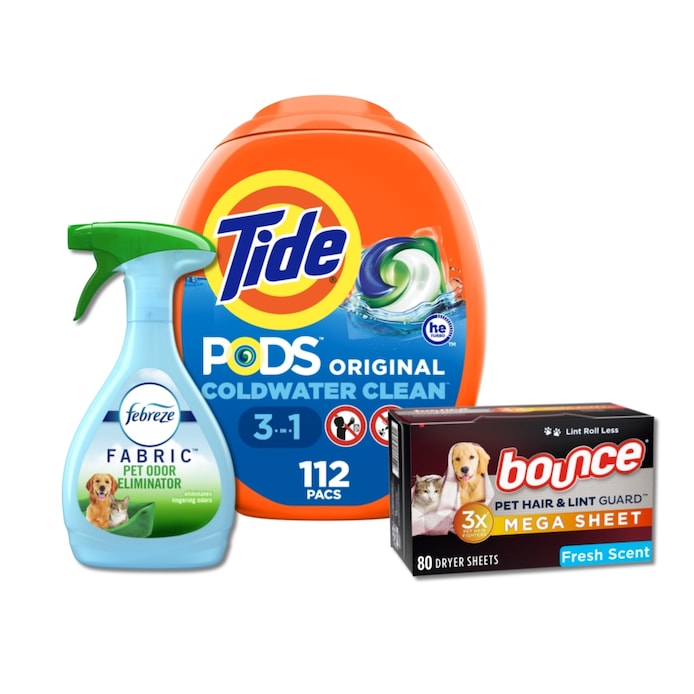
Sometimes the most effective "infrastructure" is simply maintaining a clean environment. Pet-specific laundry detergents or grooming tools help manage allergens and odors, which can indirectly improve a pet's comfort and health. These are low-cost, high-reliability tools that support the overall wellness framework without introducing complex biological compounds.
Risk assessment and compliance
The infrastructure supporting the pet wellness market is fraught with ambiguity. Unlike traditional pharmaceuticals, the regulatory landscape for supplements and peptide-based treatments remains fragmented. For investors and operators, this lack of standardization creates a high-stakes environment where a single compliance misstep can derail a brand.
Regulatory bodies like the FDA have not established clear pathways for many novel pet health ingredients. This means that claims regarding efficacy often walk a fine line between marketing and medical advice. A product labeled as a "supplement" can easily cross into the territory of an unapproved drug if it makes therapeutic claims. This gray area exposes companies to significant legal risk and potential product recalls.
Compliance is not just about safety; it is about trust. Consumers are increasingly skeptical of unverified health claims. Brands that fail to manage these regulations carefully risk losing credibility instantly. The cost of remediation—legal fees, lost inventory, and damaged reputation—far exceeds the cost of proactive compliance.
The chart above tracks ARK Genomic Revolution ETF, a proxy for the innovation-driven health sector. Volatility in this space often correlates with regulatory news cycles. Understanding these market dynamics is essential for assessing the risk profile of any pet wellness infrastructure investment.
Essential tools for traders
Managing the pet supplements market requires more than just intuition; it demands a toolkit that separates legitimate peptide science from marketing noise. Traders need to monitor specific supply chains, track consumer sentiment, and verify clinical backing before committing capital. The right tools help you see through the hype and focus on the underlying demand drivers.
Tracking supply chain and regulatory signals
The peptide supplement industry operates in a regulatory gray area that shifts frequently. Tools that monitor FDA warnings, FTC actions, and international regulatory changes are essential for risk management. Without real-time alerts on compliance issues, a sudden regulatory crackdown can wipe out market value overnight. Focus on platforms that aggregate government health alerts and veterinary magazine publications for early warning signs.
Consumer sentiment and demand analysis
Understanding what pet owners are actually buying helps identify which product categories—joint mobility, immune support, or stress relief—are gaining traction. Social listening tools and e-commerce trend dashboards provide the data needed to spot rising demand before it hits the broader market. This allows traders to position themselves in the right sub-sectors before the competition intensifies.
Recommended hardware and research tools
For traders handling sensitive market data or requiring secure communication channels, hardware wallets and encrypted devices are standard practice. These tools ensure that your trading capital and proprietary research remain protected from digital threats.

As an Amazon Associate, we may earn from qualifying purchases.
No comments yet. Be the first to share your thoughts!