
Pet Tides market research: limits and choices
Use this section to make the Pet Tides Analysis decision easier to compare in real life, not just on paper. Start with the reader's actual constraint, then separate must-have requirements from details that are merely nice to have.
A practical choice should survive normal use, maintenance, timing, and budget. If a recommendation only works in an ideal situation, call that out plainly and give the reader a fallback path.
The simplest way to use this section is to write down the must-have criteria first, then compare each option against those criteria before weighing nice-to-have features.
| Factor | What to check | Why it matters |
|---|---|---|
| Fit | Match the option to the primary use case. | A good deal still fails if it does not fit the job. |
| Condition | Verify age, wear, and service history. | Hidden condition issues erase upfront savings. |
| Cost | Compare purchase price with likely upkeep. |
Choose the next step
Pet Tides Analysis works best as a clear sequence: define the constraint, compare the realistic options, test the tradeoff, and choose the path with the fewest hidden costs. That order keeps the advice usable instead of decorative.
After each step, pause long enough to check whether the recommendation still fits the reader's actual situation. If it depends on perfect timing, unusual access, or a best-case budget, include a simpler fallback.
Spotting Misleading Claims in Pet Tides
Pet owners often fall for vague marketing when buying supplements for their dogs. The global pet supplements market size was valued at USD 3.14 billion in 2025 and is projected to grow to USD 5.47 billion by 2034, exhibiting a CAGR of 6.34% during the forecast period (Fortune Business Insights). This rapid expansion has led to a surge in products making unsupported health claims.
A common mistake is assuming all "natural" ingredients are safe. For instance, while peptides like BPC-157 are gaining attention in veterinary research for supporting mobility and gut health, they remain largely unregulated for consumer sale. Many products labeled as "peptide-infused" contain negligible amounts or no active peptides at all. Always verify the ingredient list against primary research rather than relying on front-label marketing.
Another weak option is the "proprietary blend" loophole. These blends hide specific dosages, making it impossible to know if the product contains an effective amount of the active ingredient. Real-time market research tools can help you track these trends, but they cannot replace reading the fine print. Look for third-party testing certificates that verify the exact concentration of each ingredient.
Finally, beware of supplements claiming to "cure" conditions. No supplement can legally claim to treat, cure, or prevent diseases. If a product makes such a claim, it is likely misleading. Stick to products that support general wellness, such as joint health or digestion, and always consult a veterinarian before introducing new supplements to your dog's diet.
Pet tides market research: what to check next
Navigating the intersection of veterinary health and crypto infrastructure requires clarity on market dynamics and regulatory boundaries. Below are the most frequent questions regarding the pet supplement sector and its emerging peptide trends.
Helpful gear
Use these product recommendations as a starting point, then choose the size, material, and price point that fit how you actually use the gear.

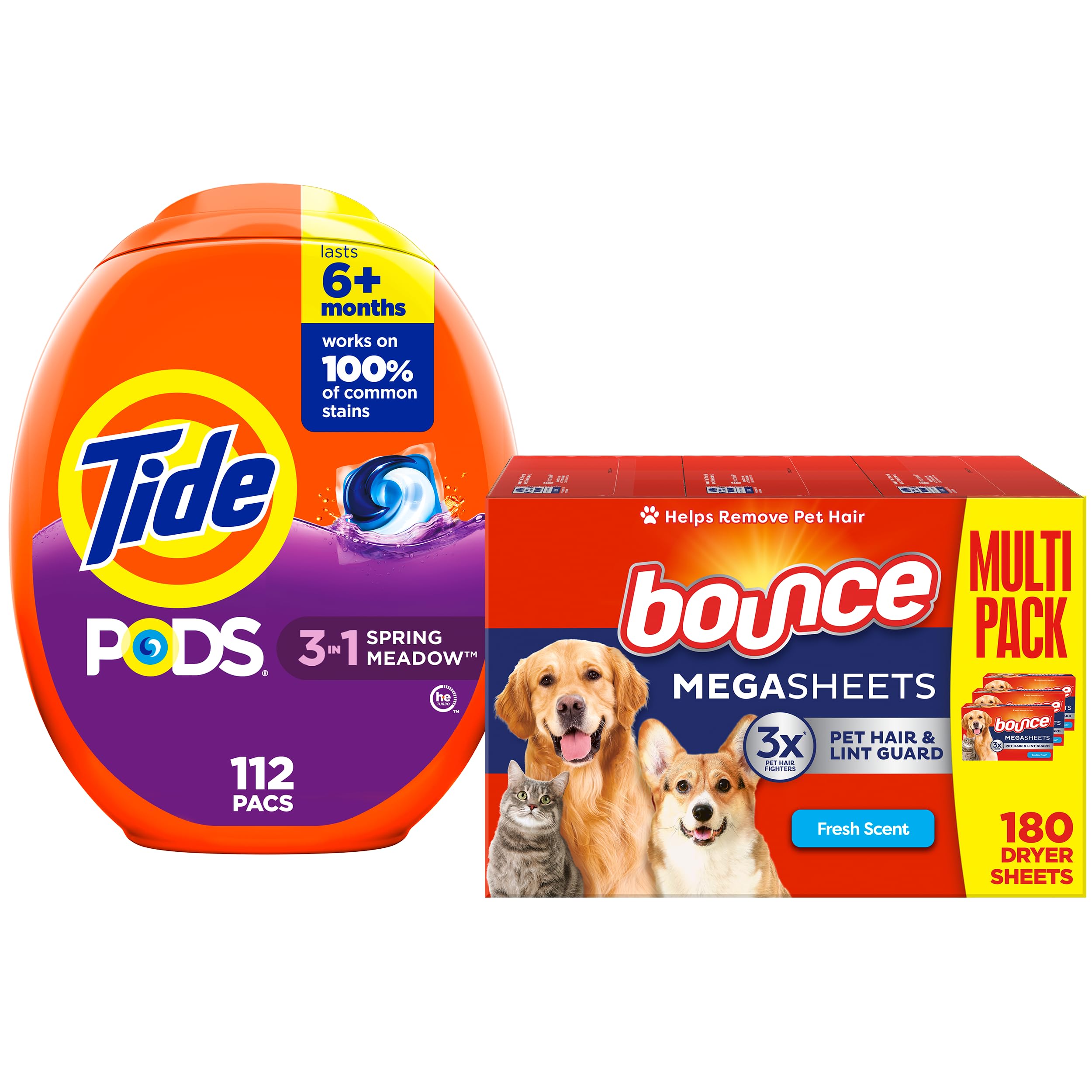

As an Amazon Associate, we may earn from qualifying purchases.
No comments yet. Be the first to share your thoughts!