Pet Tides infrastructure overview
The Pet Tides ecosystem is built on a modular infrastructure that supports market data integration, user engagement, and regulatory compliance. At its core, the system relies on a distributed ledger to ensure transparency in transactions and a secure identity layer to protect user data. This foundation allows for seamless integration with third-party services, from payment processors to analytics platforms.
Core Components
The infrastructure is divided into four main pillars: data ingestion, processing, storage, and delivery. Data ingestion collects information from various sources, including market feeds and user interactions. Processing engines analyze this data to identify trends and anomalies. Storage systems archive this information for historical analysis, while delivery mechanisms push relevant insights to users.
Market Data Integration
Accurate market data is critical for the Pet Tides platform. The system integrates with multiple exchanges and data providers to ensure accuracy and coverage. This includes price feeds for cryptocurrencies, stock market indices, and other relevant assets. The data is normalized and standardized before being stored, ensuring consistency across the platform.
User Identity and Security
Security is paramount in the Pet Tides ecosystem. The identity layer uses multi-factor authentication and encryption to protect user accounts. It also supports decentralized identity protocols, allowing users to maintain control over their personal information. This approach not only enhances security but also aligns with growing privacy regulations.
Analytics and Reporting
The analytics engine provides deep insights into user behavior and market trends. It generates reports that help stakeholders make informed decisions. These reports include key performance indicators, user engagement metrics, and market sentiment analysis. The data is visualized through interactive dashboards, making it easy to understand complex information at a glance.
Compliance and Regulation
Pet Tides is designed to comply with global regulations. The infrastructure includes tools for monitoring transactions and detecting suspicious activity. It also supports automated reporting to regulatory bodies. This proactive approach helps mitigate legal risks and builds trust with users and partners.
Finding reliable data for pet market research
When you are building a business plan or investment thesis for the pet sector, your conclusions are only as strong as the data behind them. In a high-stakes environment where capital allocation decisions depend on accurate market sizing, relying on fragmented or secondary sources is a liability. You need to anchor your research in official, primary, and expert-verified data.
The pet industry is broad, spanning everything from veterinary care to consumer goods. This diversity means there is no single "pet market" report. Instead, you must triangulate data from multiple authoritative streams to get a clear picture of the landscape.
Government and Regulatory Filings
For macroeconomic trends and broad industry health, start with official government publications. In the United States, the U.S. Department of Agriculture (USDA) and the U.S. Census Bureau provide foundational data on pet ownership rates, veterinary clinic revenues, and consumer spending patterns. These sources are critical because they are not influenced by commercial interests or marketing narratives.
Look for annual surveys from the American Pet Products Association (APPA) as well. While technically an industry group, their data collection methods are widely cited by financial institutions and are considered the gold standard for U.S. pet market sizing. Cross-reference these figures with data from the European Pet Food Industry Association (FEDIAF) if your scope includes international markets.
Veterinary and Scientific Literature
Health and wellness are the fastest-growing segments in the pet economy. To understand the demand for supplements, specialized diets, and telehealth services, you must look at peer-reviewed veterinary journals and clinical studies. Sources like the Journal of the American Veterinary Medical Association (JAVMA) provide evidence-based insights into pet health trends that drive consumer purchasing behavior.
This level of detail helps you identify niche opportunities, such as the rising demand for gut health supplements or joint mobility aids. These trends are often validated by veterinary professionals before they become mainstream consumer products, giving early investors a competitive edge.
Financial Data Providers
For publicly traded companies in the pet space, such as Mars, Inc., Purina (Nestlé), or Zoetis, you must rely on SEC filings and audited financial reports. These documents provide the most accurate picture of corporate performance, supply chain costs, and market share dynamics.
Use provider-backed widgets to monitor market sentiment and stock performance. This allows you to correlate macroeconomic indicators with company-specific performance, offering a dynamic view of the sector's health.
Avoiding Low-Trust Sources
Be wary of data sourced from general retail sites, fan wikis, or unverified blogs. While these sources might offer anecdotal insights or product comparisons, they lack the rigor required for serious market analysis. For example, a wiki entry on "pet companions" may describe game mechanics or product features, but it provides no reliable data on market size or consumer spending habits.
Similarly, avoid relying solely on social media trends or influencer marketing metrics. These can be ephemeral and do not reflect sustained consumer demand or long-term industry growth. Stick to sources that are transparent about their methodology and have a track record of accuracy.
By focusing on these primary sources, you build a research foundation that is robust, verifiable, and resilient to market noise. This approach not only reduces risk but also provides the clarity needed to make confident, data-driven decisions in the competitive pet industry.
Comparing infrastructure options
The "Pet Tides" market is fragmented, pulling in everything from specialized peptide supplements to laundry detergents. To build a viable infrastructure, you must separate the actual medical supply chains from the consumer goods and entertainment layers. Each layer carries distinct risks, regulatory hurdles, and margin structures.
The table below breaks down these four distinct infrastructure pillars. We are comparing them based on their primary operational focus, regulatory burden, and target market volatility.
Peptide Supplements: High Risk, High Reward
This layer involves products like BPC-157 and KPV. While sources like Pettides.com market these as advanced solutions for gut and joint health, the regulatory landscape is hostile. The FDA has not approved these for general pet use, making supply chain compliance a critical failure point. Infrastructure here requires robust legal oversight and strict quality control to avoid liability.
Pet Laundry & Hygiene: Stable but Competitive
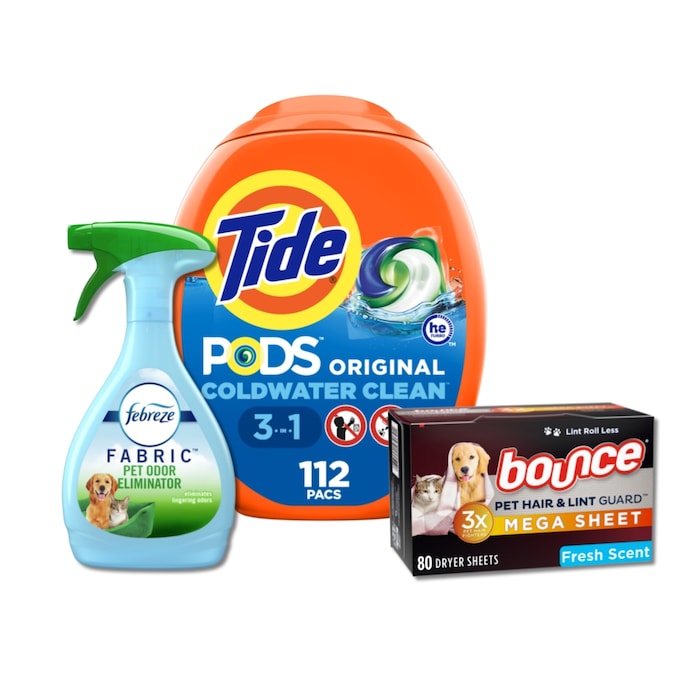
Brands like Tide Pet operate in the consumer goods space. The infrastructure is well-established, relying on standard retail logistics. While the margins are thinner and competition is fierce, the regulatory risk is minimal. This layer serves as the "cash cow" of the ecosystem, providing steady revenue with predictable operational costs.
Pet Entertainment: Digital Infrastructure
Games like "Tides: A Fishing Game" represent a digital layer. Infrastructure here focuses on server stability, user data privacy, and engagement metrics. Unlike physical goods, there are no shipping or spoilage risks, but there are significant cybersecurity and platform dependency risks. This layer appeals to a younger, tech-savvy demographic.
Veterinary Services: The Core Anchor
Clinical care remains the most regulated and essential layer. Infrastructure here is heavy, requiring physical locations, licensed personnel, and expensive equipment. However, it offers the highest trust and stickiness. For a "Pet Tides" ecosystem, this layer provides the credibility that the other, more speculative layers lack.
Market volatility and risk
The pet industry is not a monolith. A failure in the peptide supplement layer can damage the brand reputation of the entire ecosystem. Conversely, a disruption in veterinary services can halt all revenue. Diversification across these layers is not just a strategy; it is a survival mechanism in a high-stakes market.
Strategic risk assessment
The "Pet Tides" market is not a single, monolith industry. It is a fragmented landscape where consumer intent often clashes with regulatory reality. Investors and operators must navigate three distinct, high-stakes risk vectors: regulatory ambiguity in the supplement sector, intense price sensitivity in the pet care hardware space, and the reputational volatility of emerging health trends.
Regulatory headwinds in pet supplements
The most significant risk lies in the unregulated supplement space. As demand grows for peptide-based therapies and immune-support formulas, the boundary between "wellness" and "drug" blurs. Companies marketing products like BPC-157 or KPV for chronic conditions walk a fine line with the FDA and FTC. A single warning letter or class-action lawsuit over unsubstantiated health claims can erase brand equity overnight. This is not just a compliance issue; it is a fundamental business model risk. Without clear FDA guidance on veterinary peptides, companies are operating in a gray zone where marketing claims can become legal liabilities.
Price wars in pet care hardware
In the broader pet care segment, specifically around hygiene and cleaning products, margins are thin and competition is fierce. Retailers like Target dominate the shelf space for pet-specific detergents and cleaning solutions, leveraging their scale to drive down prices. For new entrants, the risk is not just market entry, but margin erosion. Consumers are highly price-sensitive in this category, often switching brands based on minor price differences. This creates a "race to the bottom" where innovation is stifled by the pressure to match the lowest price point set by established giants.
Reputational volatility of emerging trends
Emerging health trends, such as the recent surge in interest in gut health and chronic inflammation treatments for pets, create short-term opportunities but long-term reputational risks. Social media amplifies these trends, but also amplifies backlash if a product fails or causes adverse effects. The "Tides" metaphor applies here: trends rise quickly, but they can recede just as fast, leaving behind stranded inventory and damaged trust. Operators must distinguish between genuine medical advancements and fleeting social media fads to avoid over-investing in temporary hype.
Actionable strategy checklist
Before committing capital to infrastructure or market entry, validate your operational foundation. The pet supplement and wellness sector is expanding rapidly, but regulatory scrutiny and supply chain volatility require rigorous due diligence. Use this checklist to verify your strategy before scaling.

Confirm that your market intelligence relies on official primary sources rather than aggregated third-party summaries. In the supplement space, product claims must align with verified regulatory filings. Unverified data leads to misplaced capital in non-compliant segments.

Test your operational systems under stress. Whether managing physical inventory or digital data flows, your infrastructure must handle peak demand without failure. A single point of failure in your supply chain can halt revenue entirely.
Ensure all products meet current FDA and FTC guidelines for pet health claims. The market for joint mobility and immune support supplements is crowded; differentiation through compliance, not just marketing, is your only sustainable moat.
Model your costs against realistic acquisition rates. High customer acquisition costs in the pet niche often erode margins quickly. Verify that your lifetime value exceeds acquisition cost by a factor of at least three before launching.
This checklist is not a formality. It is the difference between a scalable business and a costly experiment. Proceed only when every item is verified.
No comments yet. Be the first to share your thoughts!