The Market Context for Pet Peptides
The pet health supplement industry is undergoing a structural shift, moving beyond basic vitamins into targeted biological interventions. At the center of this evolution is the emerging peptide segment, which is rapidly gaining traction as a high-growth vertical within the broader pet care market. This transition reflects a deeper consumer demand for precision health solutions that address specific physiological needs rather than general wellness.
Peptides are short chains of amino acids, typically consisting of 2 to 100 residues, that act as building blocks for proteins. In the context of pet health, these molecules are increasingly utilized for their potential roles in tissue repair, anti-aging support, and muscle maintenance. While human peptide markets have long explored applications in anti-aging and athletic performance, the veterinary sector is now adapting these compounds for canine and feline mobility, immune support, and stress relief.
Market drivers for this segment are multifaceted. Consumers are treating their pets with increasing medical sophistication, seeking evidence-based supplements for joint mobility, skin vitality, and dental health. This demand is not merely anecdotal; it is reflected in the strategic positioning of major pet health brands and the growing interest from veterinary professionals who are integrating peptide-based therapies into routine care protocols.
To understand the macroeconomic backdrop, it is useful to look at the broader pet health and consumer staples indices. The performance of specialized pet ETFs, such as those tracking the PETS index, often correlates with shifts in discretionary spending and consumer confidence. These market signals provide a real-time indicator of how investors and consumers alike are valuing the premiumization of pet care.
The integration of peptides into pet supplements represents more than a trend; it signals a maturation of the market. As research continues to validate the efficacy of these short-chain proteins, the segment is poised to capture a larger share of the pet health spend. For the Pet Tides guide, tracking this vertical offers critical insight into the future of veterinary nutrition and preventive care.
Infrastructure metrics for growth
Scaling a pet peptide brand requires more than just a good formula; it demands a supply chain that can handle the unique stability and regulatory needs of bioactive compounds. The Pet Tides guide highlights that infrastructure is the backbone of trust in this niche. Unlike standard kibble, peptides are sensitive to heat, light, and moisture, meaning your storage and shipping logistics must be rigorous.
Supply Chain and Cold Chain Requirements
Peptides like BPC-157 and KPV often require temperature-controlled environments to maintain potency. Your infrastructure must account for cold chain logistics from the manufacturer to the end consumer. This isn't just about ice packs; it involves verified temperature logging throughout the transit process. A break in the cold chain can render the product ineffective, destroying brand reputation overnight. Partnering with distributors who specialize in biologics or pharmaceuticals is often a necessity rather than a luxury.
Regulatory Compliance and Testing
Regulatory compliance is the most critical metric for long-term viability. The FDA does not approve peptides for general pet supplement use, which places the burden of safety and quality entirely on the manufacturer. You must implement rigorous third-party testing for purity, heavy metals, and microbial contaminants. Every batch should have a Certificate of Analysis (COA) readily available. Transparency in sourcing and manufacturing processes is not just a legal safeguard; it is a marketing asset that distinguishes professional brands from casual operators.
Infrastructure Comparison
The jump from traditional pet supplements to peptide-focused infrastructure is significant. Traditional supplements often rely on bulk storage and standard shipping, while peptide brands require precision handling and strict compliance documentation.
| Metric | Traditional Supplements | Peptide Infrastructure |
|---|---|---|
| Shipping | Ground/Standard | Expedited/Temperature monitored |
Visualizing the Standard
The level of care required for these products is evident in the packaging and handling standards adopted by leading brands. Proper packaging protects the integrity of the peptides during transit.
Building this infrastructure takes time and capital, but it is the only way to ensure your products are safe, effective, and legally compliant. As the pet peptide market matures, brands with robust infrastructure will pull ahead of those relying on makeshift solutions.
The competitive landscape for pet peptides
The market for pet peptide supplements is currently defined by a handful of direct-to-consumer brands rather than established pharmaceutical giants. Pettides stands out as a primary player, marketing a blend of BPC-157, KPV, and Thymogen specifically for dogs, cats, and horses. These companies position themselves at the intersection of integrative veterinary care and consumer wellness, filling a gap left by traditional veterinary formularies that often lack convenient, non-prescription peptide options.
Unlike the human peptide space, which is crowded with research chemical vendors and supplement warehouses, the pet sector is smaller and more niche. Competitors like Integrative Peptides offer similar "pet tides" formulations, focusing on ease of administration and holistic health support. The barrier to entry is relatively low, leading to a fragmented landscape where brand trust is built largely on transparency and community testimonials rather than large-scale clinical trials.
Investors and analysts should note that this is not a mature market with consolidated leaders. Instead, it is an emerging space where differentiation comes from specific peptide combinations and target species. The lack of standardized dosing guidelines means that brand reputation for safety and purity is the primary competitive moat. As the "pet tides guide" evolves, expect consolidation among brands that can provide verifiable quality control and veterinary partnerships.
Strategic implementation steps for the Pet Tides market
Entering the Pet Tides segment requires treating peptides not as generic supplements, but as targeted biological signals. According to WebMD, peptides are short chains of amino acids that act as messengers within the body, influencing everything from gut health to immune response. To build a credible business or investment case, you must align your product development with these specific physiological mechanisms.
Start by mapping the specific health issue to the correct peptide chain. For instance, BPC-157 is frequently researched for gut integrity and tissue repair in dogs. Avoid broad "anti-aging" claims; instead, focus on measurable outcomes like reduced inflammation or improved mobility. Use primary veterinary research to validate the link between the peptide and the symptom.
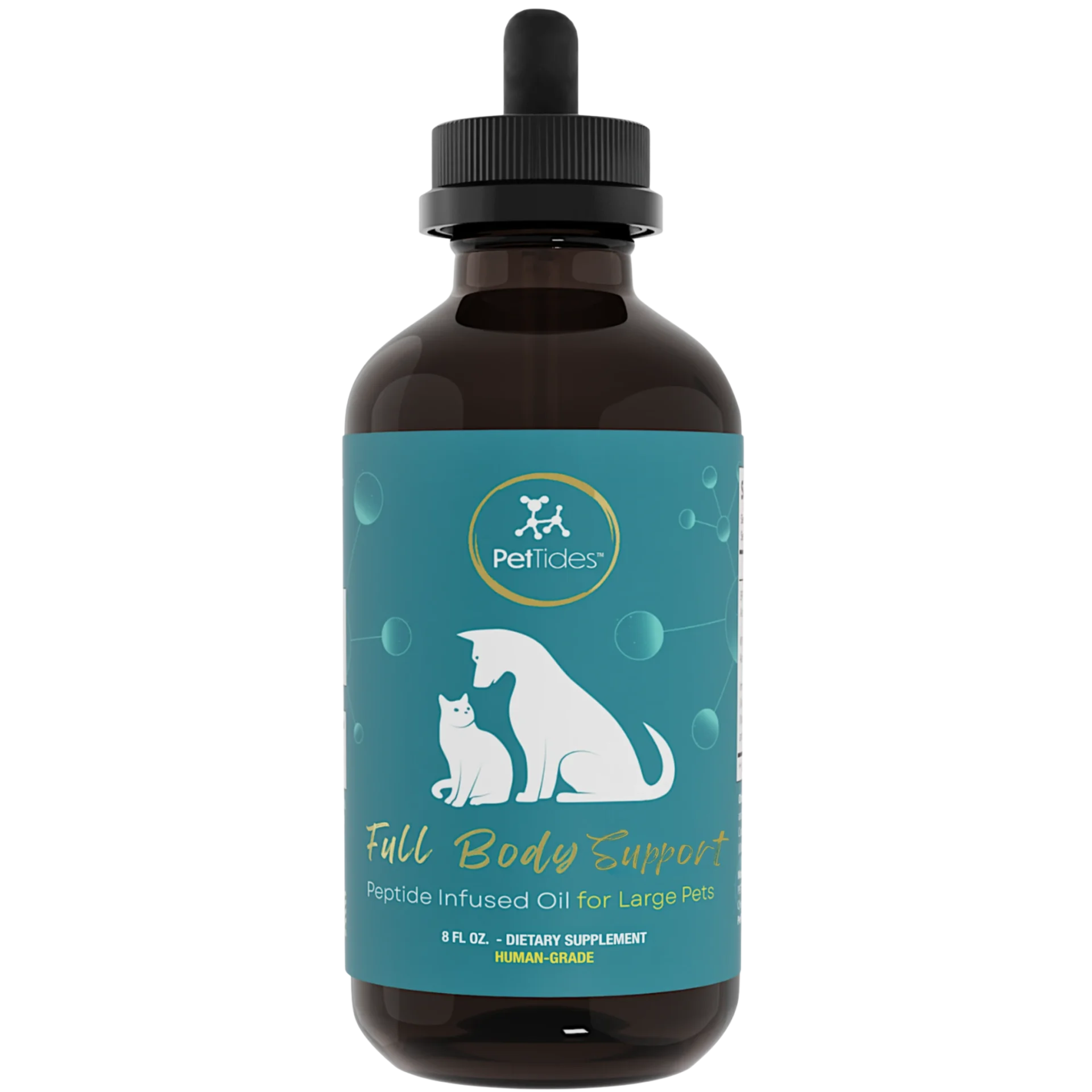
Quality control is the primary barrier to entry. Sourcing peptides from GMP-certified manufacturers with third-party HPLC testing is non-negotiable. Contaminants in peptide chains can cause adverse reactions, undermining trust. Require Certificates of Analysis (COA) for every batch to ensure purity matches the label claims.

Oral peptides are often broken down by stomach acid before they reach the bloodstream. Invest in delivery systems such as liposomal encapsulation or sublingual formulations. This step determines whether your product works. Partner with a formulator who understands peptide stability and shelf-life extension without using harmful preservatives.

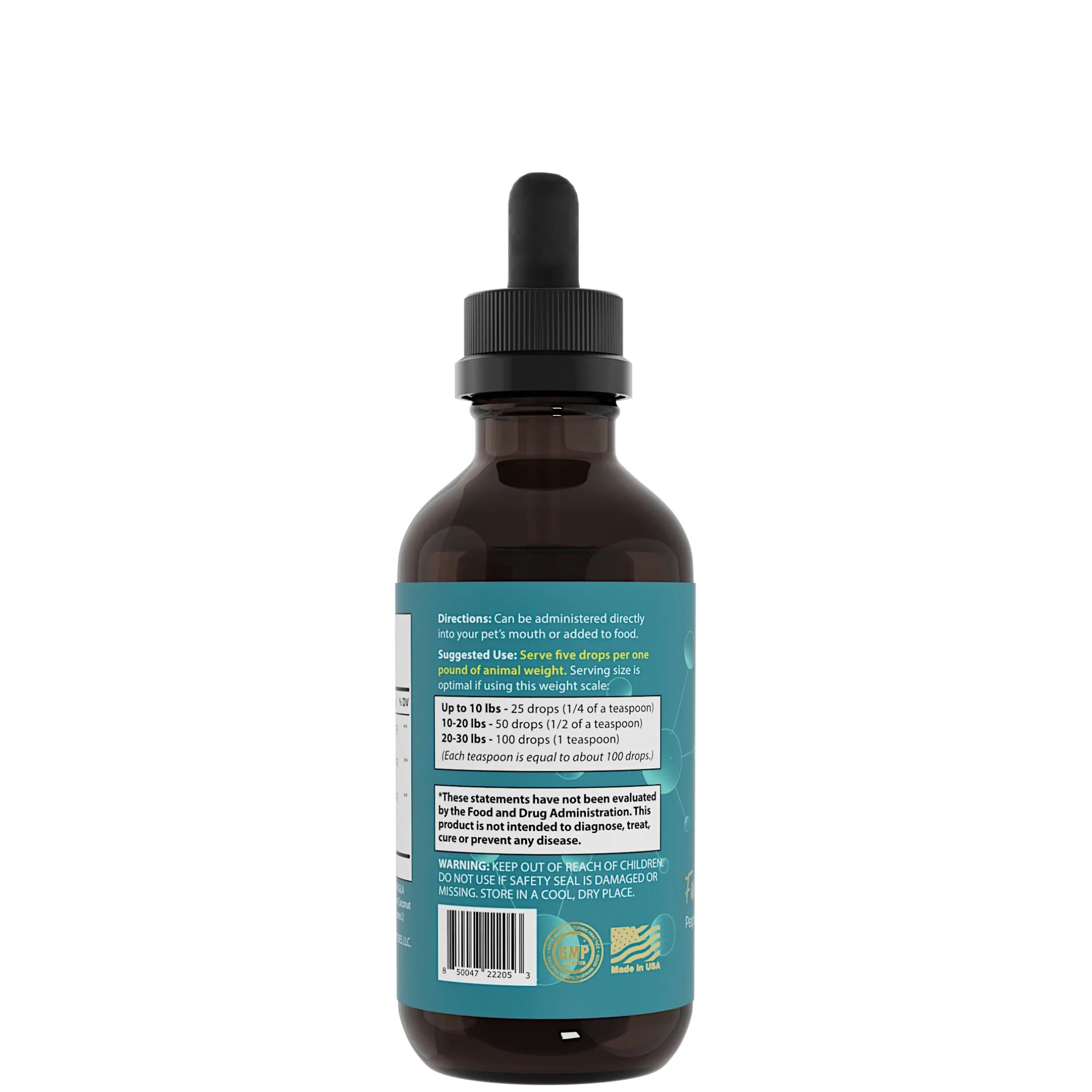
The FDA classifies peptides as drugs if they make therapeutic claims. To market as a supplement, you must stick to structure/function claims (e.g., "supports joint health") and avoid disease claims (e.g., "treats arthritis"). Consult with a pet-specific regulatory attorney to draft compliant labeling that avoids federal action while still communicating value to consumers.
Before a mass launch, secure endorsements or clinical feedback from integrative veterinarians. Their validation provides the social proof needed in a niche market skeptical of new health trends. Use their testimonials to build trust, but ensure all marketing materials clearly state that the product is not a replacement for veterinary care.
Implementing these steps creates a defensible position in the Pet Tides guide landscape. By focusing on scientific accuracy and regulatory compliance, you separate your brand from low-quality competitors relying on vague wellness claims.
No comments yet. Be the first to share your thoughts!