Pet tides market research overview
The conversation around pet wellness has shifted from basic nutrition to targeted intervention. At the center of this shift is pet tides market research, which tracks the growing demand for specialized supplements and bioactive compounds. While the term "pet tides" often refers to specific proprietary formulations like acetylated peptide complexes, the broader industry is defined by a rapid expansion in the pet dietary supplements sector. Investors and brand founders are now looking at this space not just as a consumer goods play, but as a biotech-adjacent market with significant runway.
Current data paints a clear picture of this growth trajectory. The global pet dietary supplements market is estimated at approximately USD 2.71 billion in 2025, according to recent industry reports. This figure is projected to reach USD 4.11 billion by 2030, representing a compound annual growth rate (CAGR) of 8.7%. Other analyses suggest even higher valuations, with some models placing the 2025 market size closer to USD 2.81 billion and forecasting a rise to USD 6.61 billion by the end of the decade. These discrepancies in baseline numbers reflect different segmentation methodologies, but the upward trend is consistent across all major research firms.
This growth is driven by several structural factors. First, humanization of pets continues to accelerate, with owners willing to pay premium prices for products that promise longevity and quality of life. Second, the integration of peptide therapy and advanced lipid carriers into pet care products is creating new categories within the supplement aisle. These innovations allow for better bioavailability and stability, addressing previous limitations in oral supplement efficacy. As a result, the market is not just expanding in volume but also in value, with higher-margin, science-backed products capturing share from traditional, generic supplements.
For stakeholders in the pet tides market research space, the key takeaway is that this is no longer a niche segment. It is a robust, data-driven industry with clear financial metrics and a growing consumer base. Understanding the specific dynamics of this market requires looking beyond broad pet care trends and focusing on the intersection of veterinary science, consumer behavior, and supply chain innovation. The numbers suggest that the next five years will be critical for defining the leaders in this evolving landscape.
Pet Tides market research: The infrastructure behind the product
The "Pet Tides" product category sits at the intersection of veterinary science and consumer wellness, but the infrastructure supporting it is far more complex than standard pet supplements. At its core, the product relies on peptide compounds suspended in plant-derived lipid carriers. This formulation is not merely a marketing choice; it is a technical necessity. Acetylated and amidated peptide structures are fragile. Without a specialized lipid carrier system, these compounds degrade rapidly, losing potency before they ever reach the consumer. This requirement creates a high barrier to entry, as manufacturers must master both peptide synthesis and advanced delivery systems to ensure stability and consistent dispensing.
Manufacturing these products demands rigorous quality control that exceeds typical supplement standards. Peptides are bioactive; they interact with biological systems in predictable, potent ways. In the pet market, where dosage accuracy is critical for safety, even minor variations in peptide concentration can lead to inconsistent results. Companies like Pet Tides Peptides LLC position themselves as partners in veterinary innovation, implying a level of clinical-grade oversight that is rare in the broader supplement industry. This focus on quality is what separates legitimate research-backed products from the flood of unverified alternatives flooding social media platforms.
Distribution and supply chain logistics add another layer of complexity. Unlike standard pet food, peptide-based products often require specific storage conditions to maintain integrity. The supply chain must be tight, ensuring that products move from specialized manufacturing facilities to veterinary clinics or direct-to-consumer channels without exposure to temperature fluctuations that could compromise the lipid carrier. This logistical precision is a key component of the Pet Tides market research landscape, as it dictates pricing, shelf life, and ultimately, consumer trust.
Web3 portfolio strategy alignment
The traditional pet market is no longer just about kibble and leashes; it is a data-heavy ecosystem ripe for disruption. As pet tides market research reveals a shift toward hyper-transparency in supply chains, investors are looking at how Web3 infrastructure can solve long-standing trust issues. Tokenized assets and decentralized platforms offer a way to verify everything from ingredient sourcing to animal health records, creating a new layer of value in the $73 billion pet food ingredients market projected by 2031.
This intersection allows for a portfolio strategy that balances physical market growth with digital infrastructure upside. By allocating capital to projects that bridge the gap between physical pet care and blockchain verification, investors can hedge against supply chain opacity while participating in the broader pet economy expansion. The goal is to identify platforms that offer immutable proof of origin, a feature that traditional databases struggle to provide at scale.
The following table contrasts the inefficiencies of traditional pet supplement supply chains with the transparency offered by Web3-enabled models. This comparison highlights where tokenization adds tangible value to pet tides market research and investor due diligence.
| Feature | Traditional Model | Web3 Enabled Model | Investor Impact |
|---|---|---|---|
| Data Integrity | Centralized, prone to errors or manipulation | Immutable ledger, tamper-proof records | Reduces due diligence risk |
| Supply Chain Visibility | Fragmented, multi-party handoffs | Real-time tracking via smart contracts | Enhances brand trust and loyalty |
| Asset Tokenization | Illiquid physical inventory | Fractional ownership of inventory | Improves capital efficiency |
| Consumer Engagement | Static packaging and QR codes | Dynamic NFTs linked to product history | Creates recurring digital touchpoints |
While the physical market grows, the digital infrastructure supporting it remains underdeveloped. Investors should focus on protocols that specifically address the needs of the pet industry, such as verifying the authenticity of high-value supplements or tracking the health history of companion animals. This targeted approach ensures that capital is deployed where it can drive measurable efficiency gains rather than serving as a generic tech overlay.
Key tools for market analysis
Conducting reliable Pet Tides market research requires moving beyond surface-level trends to examine specific infrastructure data. The pet supplement sector is expanding rapidly, with the broader dietary supplements market estimated at USD 2.71 billion in 2025 and projected to reach USD 4.11 billion by 2030 [6]. To capture this growth, analysts need tools that track ingredient costs, regulatory shifts, and consumer demand for specialized products like peptides.
Start by monitoring the animal peptides market, which is forecasted to grow from USD 900.2 million in 2025 to USD 2,556.0 million by 2035 [3]. This segment represents a significant portion of the "pet tides" trend, driven by veterinary interest in recovery and performance support. Use the checklist below to ensure your data sources cover these high-growth areas.
Visualizing these trends helps identify inflection points. The chart below illustrates trading value analysis, which can serve as a proxy for market volatility and investor interest in related pet health assets.
Frequently asked questions about pet tides market research
Understanding the specific terminology and product classifications within the pet tides market research sector helps investors and veterinarians understand the rapidly evolving landscape of veterinary supplements and peptides.
Helpful gear
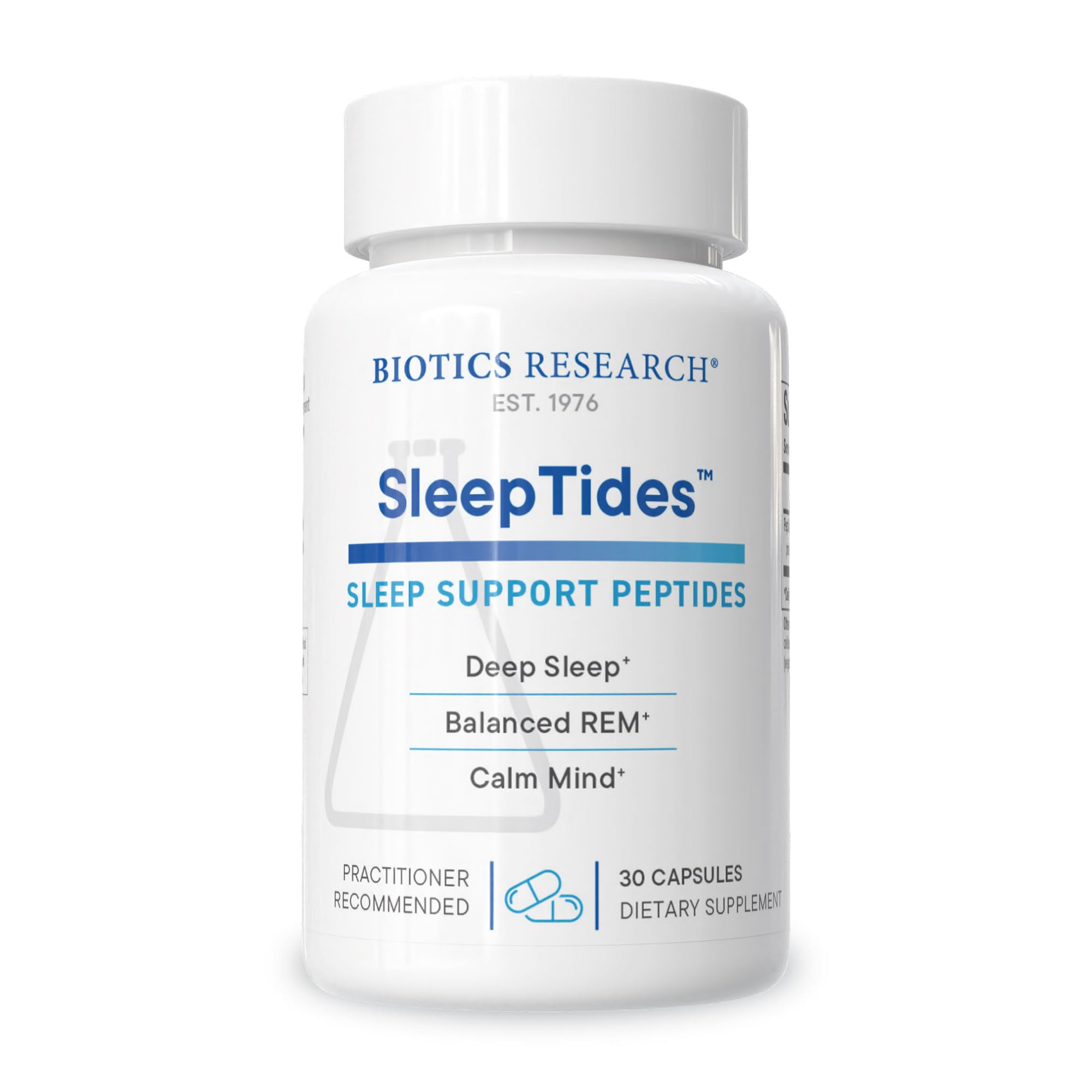
Use these product recommendations as a starting point, then choose the size, material, and price point that fit how you actually use the gear.


As an Amazon Associate, we may earn from qualifying purchases.
No comments yet. Be the first to share your thoughts!