
Get pet tides infrastructure right
Before connecting cross-chain data oracles to real-time market analysis, you must establish a stable data foundation. The "pet tides" metaphor refers to the massive, recurring volume of blockchain data that requires specialized handling. Treating this data like standard transaction logs leads to bottlenecks and missed signals.
Start by auditing your current data pipeline. Identify where latency spikes occur during high-volume periods. If your oracle feeds are polling blockchains sequentially, switch to parallelized RPC connections or utilize dedicated indexer nodes. This reduces the time between a block event and your market analysis trigger.
Next, verify your data sources. Relying on a single oracle provider creates a single point of failure. Integrate at least two independent data feeds for critical price oracles. Cross-reference these feeds to detect anomalies. If one source reports a price deviation exceeding 2% within a five-second window, your system should flag it for manual review rather than executing a trade.
Finally, test your infrastructure under simulated load. Use tools like TIDE (Technology Infrastructure for Data Exploration) to model how your system handles peak data volumes. This step is not optional; it prevents catastrophic failures when real market volatility hits. Ensure your error handling routines log these events for post-mortem analysis.
Work through the steps
Setting up Pet Tides Infrastructure 2026 requires a disciplined approach to cross-chain data oracles and real-time market analysis. This guide walks you through the core workflow, ensuring your data feeds are accurate, synchronized, and resilient against chain-specific volatility.
1. Verify Oracle Feed Integrity
Before integrating any data stream, confirm the oracle’s source of truth. Cross-chain oracles often aggregate data from multiple blockchains, but discrepancies can arise during high-volatility periods. Check the oracle’s official documentation for the latest feed updates and latency metrics.
Look for recent block explorer confirmations. If a feed shows stale data or unusual price deviations, pause integration until the issue is resolved. Rely on official oracle providers like Chainlink or Pyth Network for primary data sources, as they have established track records for reliability.
2. Configure Cross-Chain Message Passing
Set up your message passing protocol to ensure data moves securely between chains. Use a trusted relay network to validate transactions. This step is critical for preventing replay attacks, where a transaction on one chain is maliciously replicated on another.
Test the message passing with small, non-critical data points first. Monitor the transaction hashes on both the source and destination chains to ensure synchronization. If the message fails to arrive, check the gas limits and relay fees; insufficient funds are a common cause of dropped messages.
3. Integrate Real-Time Market Data
Connect your application to the real-time market data feed. This involves subscribing to WebSocket endpoints or polling REST APIs at regular intervals. Ensure your system can handle the volume of incoming data without lag.
Implement a local cache to reduce API calls and improve response times. However, set a short expiration time for cached data to maintain accuracy. For Pet Tides Infrastructure 2026, real-time accuracy is paramount, so prioritize low-latency connections over high-throughput batch processing.
4. Validate Data Consistency
After integration, run consistency checks. Compare the data received from the oracle with independent market sources. Discrepancies should be flagged and investigated immediately. This step helps identify potential oracle manipulation or network congestion.
Use automated scripts to monitor data drift. If the deviation exceeds a predefined threshold, trigger an alert. This proactive approach ensures that your infrastructure remains robust against unexpected market fluctuations or oracle failures.
5. Monitor and Adjust
Continuous monitoring is essential for long-term stability. Set up dashboards to track key performance indicators like latency, error rates, and data freshness. Regularly review these metrics to identify trends and potential issues.
Adjust your configuration based on monitoring data. If you notice increased latency during peak hours, consider optimizing your query strategy or switching to a higher-tier oracle service. For a complete list of tools and resources, refer to the official TIDE infrastructure documentation.
-
Verify oracle feed integrity
-
Configure cross-chain message passing
-
Integrate real-time market data
-
Validate data consistency
-
Monitor and adjust
Fix common mistakes in cross-chain oracle integration
Cross-chain data oracles bridge isolated blockchains, but misconfiguration often leads to stale prices or failed transactions. Avoid these frequent errors to keep your infrastructure reliable.
Skipping latency checks
Assuming instant finality across chains causes slippage. Verify block times for each target network before setting oracle update intervals. If the Ethereum block time is 12 seconds and Solana is 400 milliseconds, syncing data every 10 seconds on Solana wastes resources without adding value. Align update frequencies with actual block production rates.
Ignoring oracle decentralization
Relying on a single oracle provider creates a single point of failure. If that provider goes offline or is compromised, your smart contracts lose data access. Use aggregators that pull from multiple sources to ensure continuity. Check the number of independent nodes feeding data to your specific oracle instance.
Overlooking gas fee volatility
Cross-chain transactions require gas on both the source and destination chains. Failing to account for sudden gas spikes can leave transactions stuck or too expensive to execute. Monitor current gas prices on both networks and set reasonable gas limits with slippage buffers. Use gas estimation tools to predict costs before submitting transactions.
Neglecting data verification
Oracles do not automatically guarantee data accuracy. Verify that the oracle source is reputable and that the data format matches your smart contract expectations. Mismatched decimal places or timestamp formats are common causes of integration failures. Test with small amounts on a testnet before deploying to mainnet.
Pet tides infrastructure: what to check next
Understanding how Pet Tides infrastructure handles cross-chain data oracles and real-time market analysis is essential for making informed decisions. Below are common questions about reliability, security, and implementation.
These answers address the core technical concerns surrounding Pet Tides infrastructure. For further details on specific implementation steps, refer to the official documentation.
Helpful gear
Use these product recommendations as a starting point, then choose the size, material, and price point that fit how you actually use the gear.
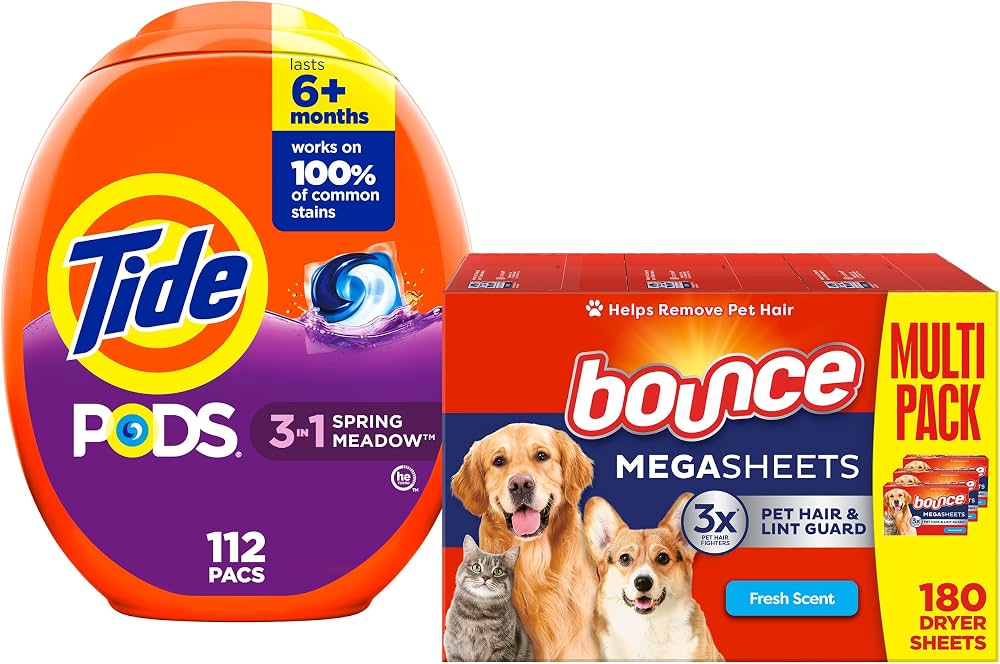

As an Amazon Associate, we may earn from qualifying purchases.
No comments yet. Be the first to share your thoughts!