
Get pet tides infrastructure right
Before you integrate crypto market research tools into your workflow, you need a stable data foundation. "Pet Tides" refers to the cyclical liquidity flows that dictate market sentiment. If your data sources are fragmented or outdated, you will misread these tides, leading to poor entry and exit points.
Start by auditing your current data stack. Ensure you have direct API access to primary exchanges rather than relying on third-party aggregators that may lag by seconds. Verify that your historical data covers at least one full market cycle to backtest your strategies accurately.
Next, establish clear data governance. Define which metrics matter most—volume, volatility, or on-chain activity—and standardize how they are collected. This prevents "analysis paralysis" and keeps your research focused on actionable signals.
Finally, test your infrastructure under stress. Simulate high-traffic periods to ensure your tools don't crash when the market moves fast. A reliable setup is the difference between reacting to the tide and riding it.
How to research and choose peptide supplements for dogs
Finding reliable crypto market research tools is one thing; navigating the unregulated pet peptide space is another. The market is flooded with brands making broad wellness claims without standardized testing. To protect your dog, you need to verify the source, check for third-party analysis, and understand the specific peptide’s intended use. This guide walks you through the critical steps to vet any product before purchase.
Fix common mistakes
Even with the right tools, pet owners often misapply peptide research. These errors can reduce effectiveness or cause adverse reactions. Avoid these pitfalls to ensure safe and effective results.
Ignoring dosage precision
Peptides are potent biological signals. A small deviation in dosage can lead to ineffective treatment or toxicity. Always use a calibrated scale for liquid measurements and verify the concentration of the solution. Never estimate drops by eye. Consult a veterinarian to calculate the exact microgram dosage based on your dog’s current weight, not just a generic chart.
Overlooking storage conditions
Many peptides degrade rapidly if exposed to heat or light. Storing them at room temperature or in a humid bathroom cabinet can render them inactive before you even administer the dose. Keep peptides refrigerated at 36–46°F (2–8°C) in their original dark container. If travel is necessary, use a insulated cooler pack, but never freeze the solution unless explicitly instructed by the manufacturer.
Disregarding peptide stability timelines
Once reconstituted with bacteriostatic water, peptides have a limited shelf life. Assuming they remain stable for months can lead to administering degraded compounds. Most reconstituted peptides should be used within 28 days. Label your vial with the reconstitution date and discard any unused portion after this window, regardless of how much liquid remains.
Pet tides infrastructure: what to check next
Before integrating these tools into your market research workflow, it helps to clarify how the underlying data structures operate. The following questions address common points of confusion regarding data sourcing, product verification, and technical implementation.
Helpful gear
Use these product recommendations as a starting point, then choose the size, material, and price point that fit how you actually use the gear.
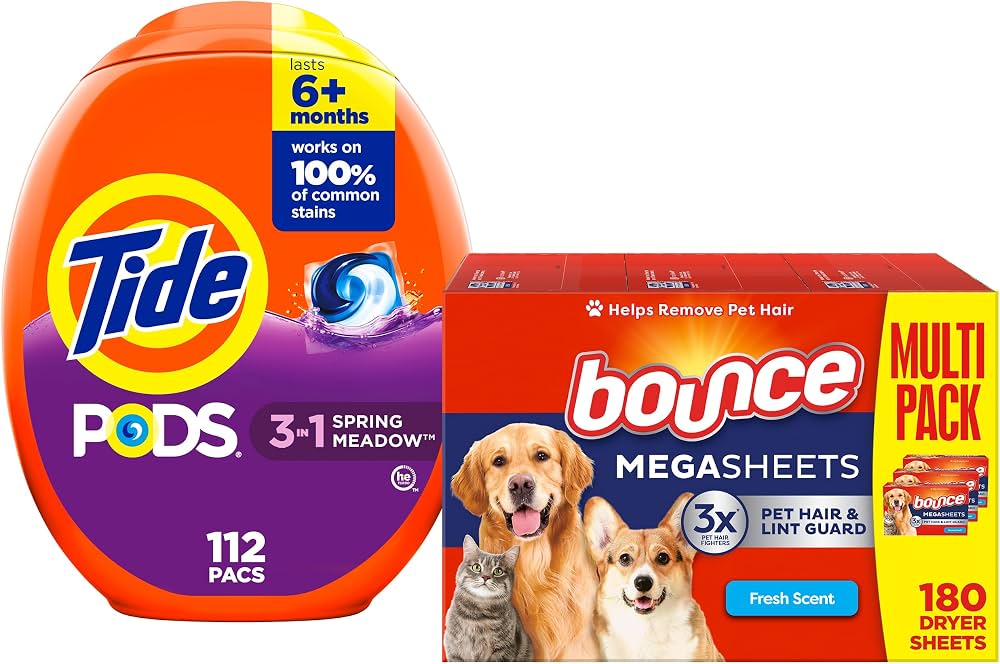

As an Amazon Associate, we may earn from qualifying purchases.
No comments yet. Be the first to share your thoughts!